English| EUR
Suggested for you
More currencies
Book Now
Open today · 09:00–17:00

Banff Rafting Tour

Banff Rafting Tour — Kananaskis, Kicking Horse & Kootenay Rivers

Glacial currents and canyon walls, paddle strokes timed to mountain water

50K+ travelers chose this
Free Cancellation
Right now: Moderate — autumn shoulder season Check local weather and river flow conditions before departing for your banff rafting tour.
Free Cancellation
Free cancellation Instant confirmation Mobile voucher Verified partner Skip-the-line
4M+
Annual Visitors
Banff National Park traffic
10.5 CAD
Park Entry Fee
Per adult per day
09:00–17:00
Daily Hours
Open Monday to Sunday
09:00–13:00
Best Arrival
Morning offers optimal conditions
Choose your ticket

Banff Rafting tickets at a glance

Compare fares, pick the fit — all bookings are mobile-voucher and eligible for free cancellation where shown.

Horseshoe Canyon Whitewater Rafting Adventure 4 hr
Standard Entry

Horseshoe Canyon Whitewater Rafting Adventure

4.8 (101)
$107
  • Entry ticket
  • Mobile voucher
  • Valid same day
  • Free cancellation
Book this ticket
Kicking Horse River Whitewater Rafting 4 hr
Standard Entry

Kicking Horse River Whitewater Rafting

5 (16)
$104
  • Entry ticket
  • Mobile voucher
  • Valid same day
  • Free cancellation
Book this ticket
Compare options

Compare Banff Rafting ticket options

Selecting the right banff rafting tour depends on your comfort with river intensity and the desired duration of your wilderness experience. These whitewater adventure options ensure you can navigate the glacial waters of Banff National Park according to your specific thrill requirements.

Top pick
Standard Whitewater River Explorer
Premium Adventure High-Intensity Class
River Grade Class III-IV
Minimum Age 12 years
Duration 4 hours
Includes Equipment Full gear and guide
Best for Experienced thrill-seekers

Verdict: Choose the Standard Whitewater banff rafting tour tickets for a balanced experience, or select the Premium Adventure for more demanding river rapids.

Is a Banff Rafting Tour Worth the Cost?

Worth it for adventure seekers and nature enthusiasts

A banff rafting tour delivers genuine value through access to wild river corridors that remain unreachable by road. Outfitters provide certified guides, commercial-grade safety gear, and transportation to put-in points deep in the Rocky Mountain backcountry. Trips like the Kananaskis River adventure combine class II-III rapids with calm stretches ideal for wildlife spotting, while the Kicking Horse River offers sustained adrenaline on class IV whitewater. You're paying for expertise that transforms a risky wilderness activity into a managed experience—guides read water conditions, navigate technical sections, and handle logistics from wetsuit sizing to shuttle coordination. The Kootenay and Toby Creek options add scenic float sections through glacier-fed valleys. Park entry fees apply separately, but rafting tours include all specialized equipment and instruction. For visitors who want guided access to remote watersheds without solo paddling skills, the investment makes sense.

What makes it worth it

  • Professional guides navigate technical rapids safely
  • Commercial equipment exceeds recreational gear standards
  • Access to roadless wilderness areas
  • Multi-hour immersion in backcountry landscapes
  • No prior whitewater experience required

Keep in mind

  • Park entrance fees charged separately
  • Cold glacier-fed water even in summer
  • Weather can force trip cancellations
  • Limited departure times restrict scheduling flexibility

Bottom line: Banff rafting tour tickets provide the safest route into wild river environments most visitors couldn't otherwise experience.

Head to head

Kananaskis River vs. Kicking Horse River: Choosing Your Banff Rafting Tour

They complement each other; most visitors who do both call the Kicking Horse the more thrilling choice. Matching your group to the right banff rafting tour depends largely on whether you seek a gentle family introduction or high-octane river rapids.

Top pick
Kananaskis River
Kicking Horse River
Difficulty level Class 3–4
Water volume High/Glacial
Scenery type Canyon/Alpine
Best for Adrenaline seekers
Minimum age 12 years
Driving distance from Banff 1.5 hours

Verdict: If you prioritize family accessibility, the Kananaskis is the superior banff rafting tour choice, while thrill-seekers should opt for the Kicking Horse river excursions for intense whitewater.

Featured Experiences

Popular Banff Rafting tours & activities

Hand-picked experiences loved by thousands of travelers

Recommended Experience

Powered by GetYourGuide

Another traveler favorite

Powered by GetYourGuide
Kootenay River Rafting Adventure 5 hours 30 minutes Free Cancellation

Kootenay River Rafting Adventure

Navigate exciting rapids and serene stretches through the Canadian Rockies on this guided wilderness float.

4.8 (15)
FromFrom $93.83
See details
Toby Creek Whitewater Rafting at Panorama 2 hours Free Cancellation

Toby Creek Whitewater Rafting at Panorama

Navigate Class I–III rapids on an exhilarating 8 km whitewater journey through stunning mountain scenery.

4.9 (7)
FromFrom $71.31
See details
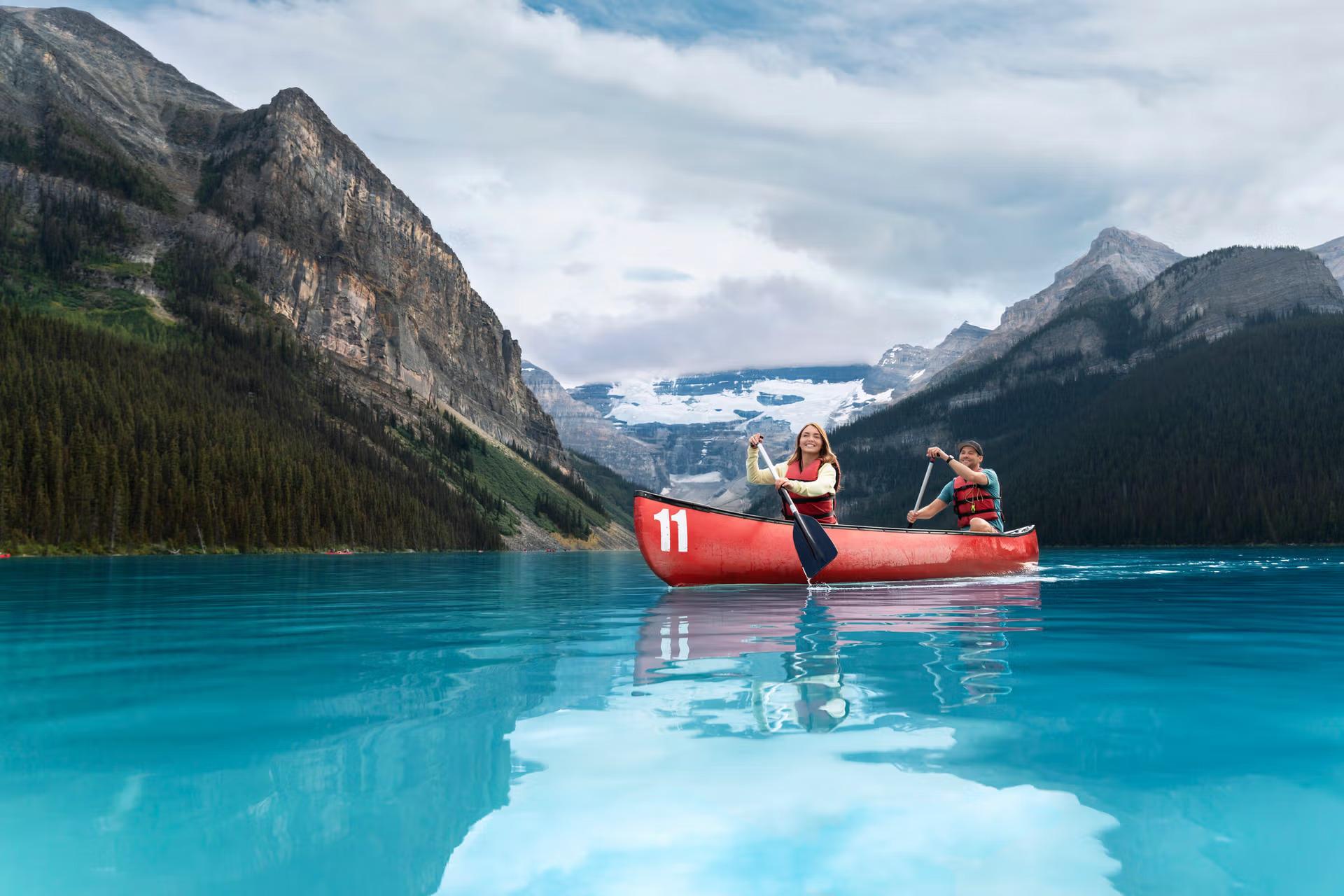
Lake Louise & Moraine Lake Full-Day Tour with Canoe Line-Skip 9 hours Free Cancellation

Lake Louise & Moraine Lake Full-Day Tour with Canoe Line-Skip

Visit three stunning mountain lakes with hassle-free Moraine access and priority canoe access at Lake Louise

4.9 (126)
FromFrom €85.12
See details
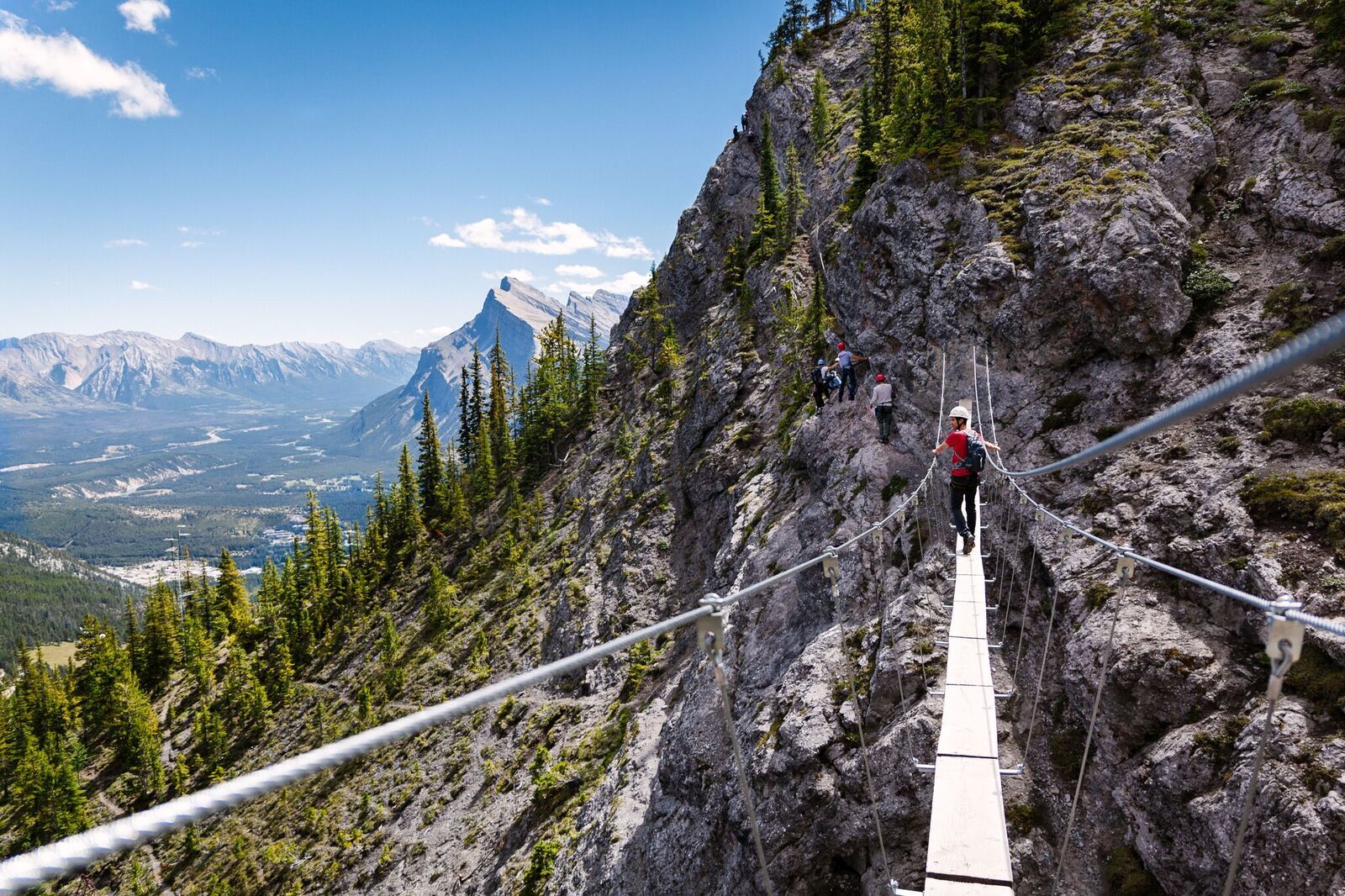
Mount Norquay Guided Via Ferrata Climb 2.5 - 4 hours Free Cancellation

Mount Norquay Guided Via Ferrata Climb

Scale Banff's cliffs on a thrilling via ferrata adventure with panoramic mountain views and expert guides.

5 (368)
FromFrom $149.38
See details
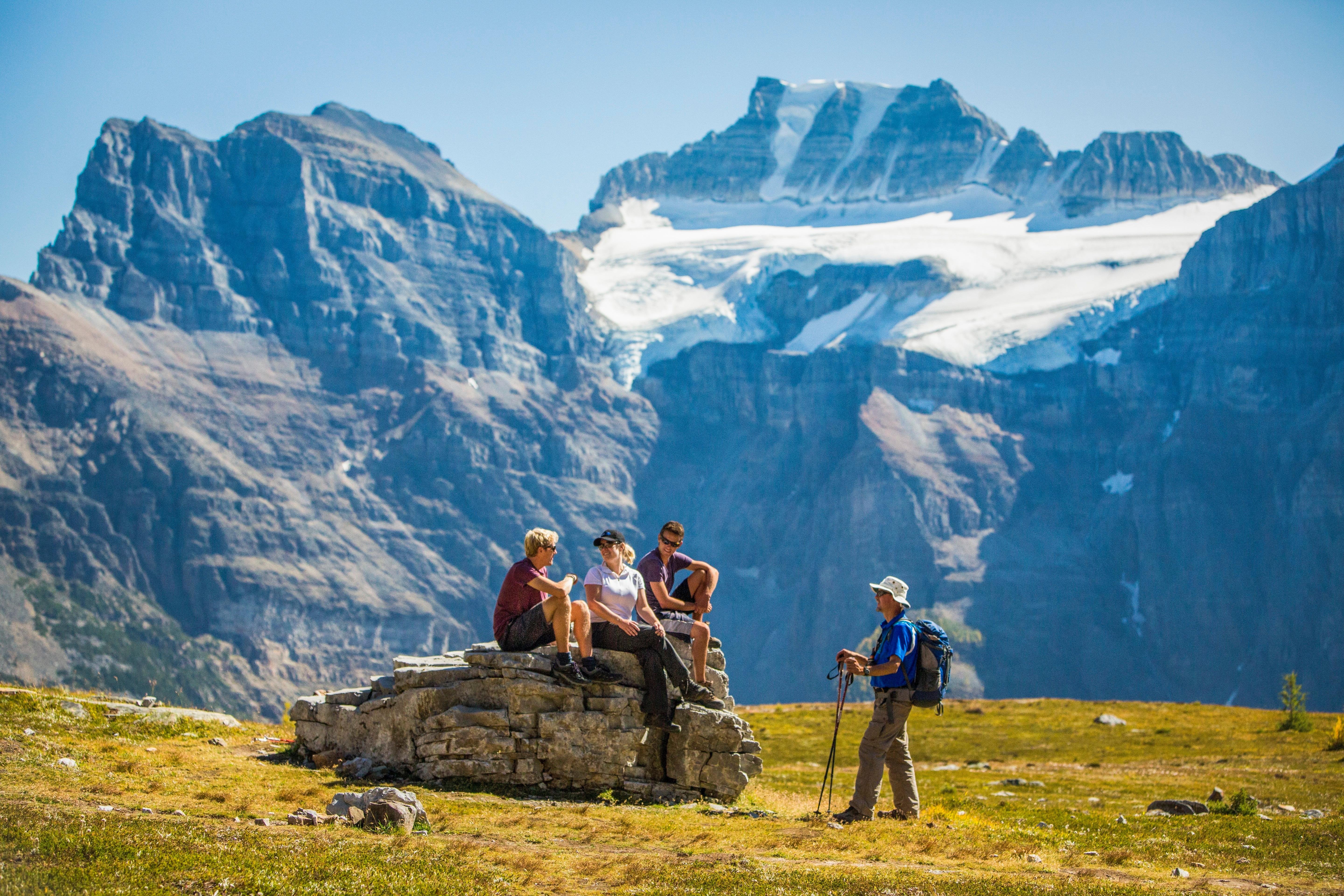
Guided Signature Hikes in Banff National Park with Lunch 7 hours Free Cancellation

Guided Signature Hikes in Banff National Park with Lunch

Explore Banff's backcountry on a full-day guided trek to glaciers, alpine valleys, and turquoise lakes

4.8 (156)
FromFrom €124.43
See details
Columbia Icefield & Skywalk Full-Day Tour from Calgary or Banff 11 hours Free Cancellation

Columbia Icefield & Skywalk Full-Day Tour from Calgary or Banff

Traverse the Icefields Parkway to glaciers, alpine lakes, and the glass-bottomed Skywalk in one epic day.

4.9 (203)
FromFrom €48.64
See details
Canadian Rockies Glacier & Lakes Adventure 12 hours Free Cancellation

Canadian Rockies Glacier & Lakes Adventure

Full-day journey through Banff and Jasper with glacier viewpoints, turquoise lakes, and Icefields Parkway

4.7 (427)
FromFrom $53.62
See details
Early Morning Kayaking on Bow River 2 hours Free Cancellation

Early Morning Kayaking on Bow River

Paddle pristine waterways before the crowds arrive on a peaceful two-hour guided kayak adventure.

4.7 (18)
FromFrom €87.3
See details
What you'll see

What you'll see at Banff Rafting

Kicking Horse River

Kicking Horse River

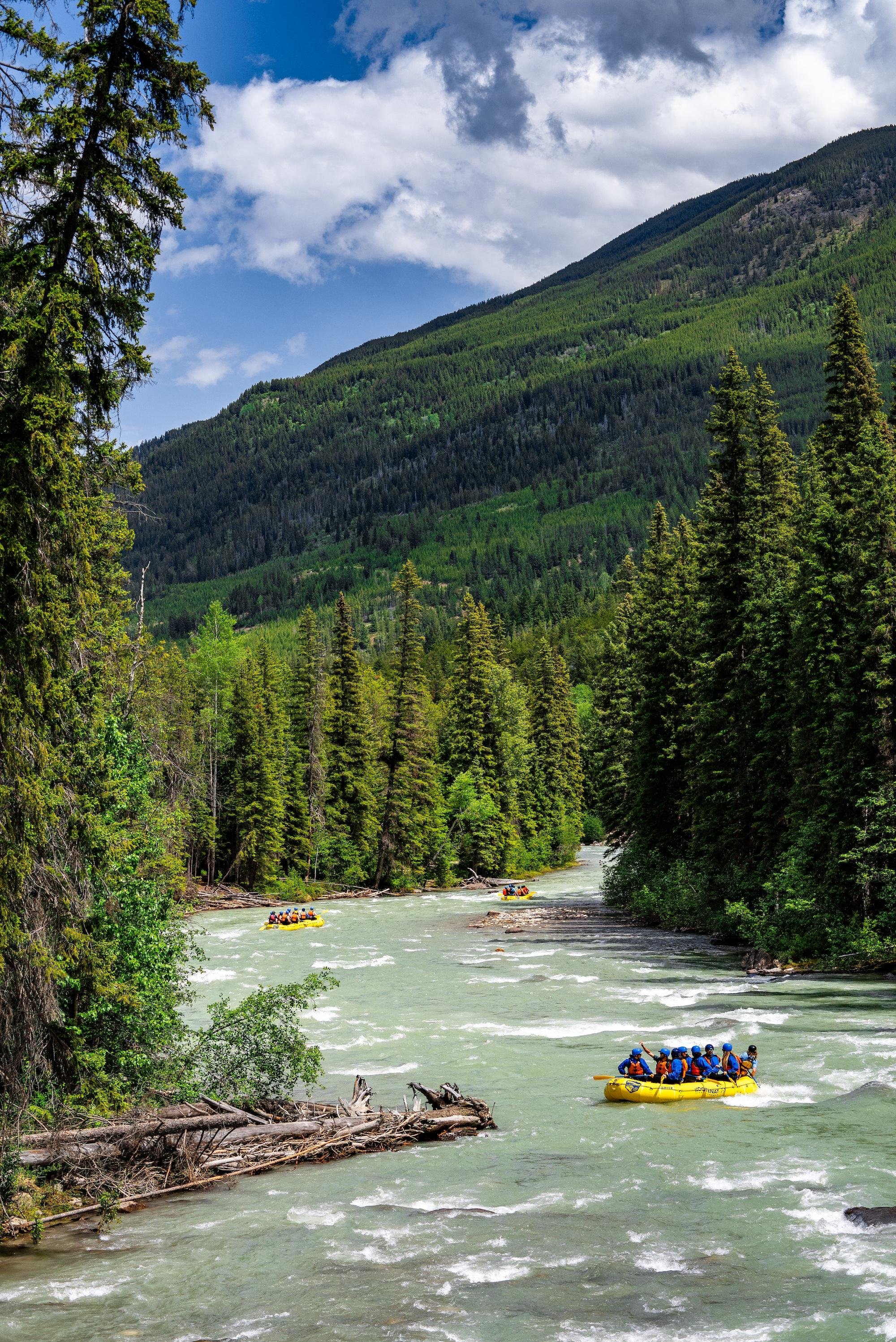
Features thrilling Class II to IV rapids and is a popular choice for a full-day banff rafting tour.

Bow River

Bow River

Offers gentle, scenic float trips perfect for wildlife viewing during a relaxing banff rafting tour.

Kananaskis River

Kananaskis River

Known for manageable Class II-III rapids that are great for first-time rafters and families.

Mount Rundle

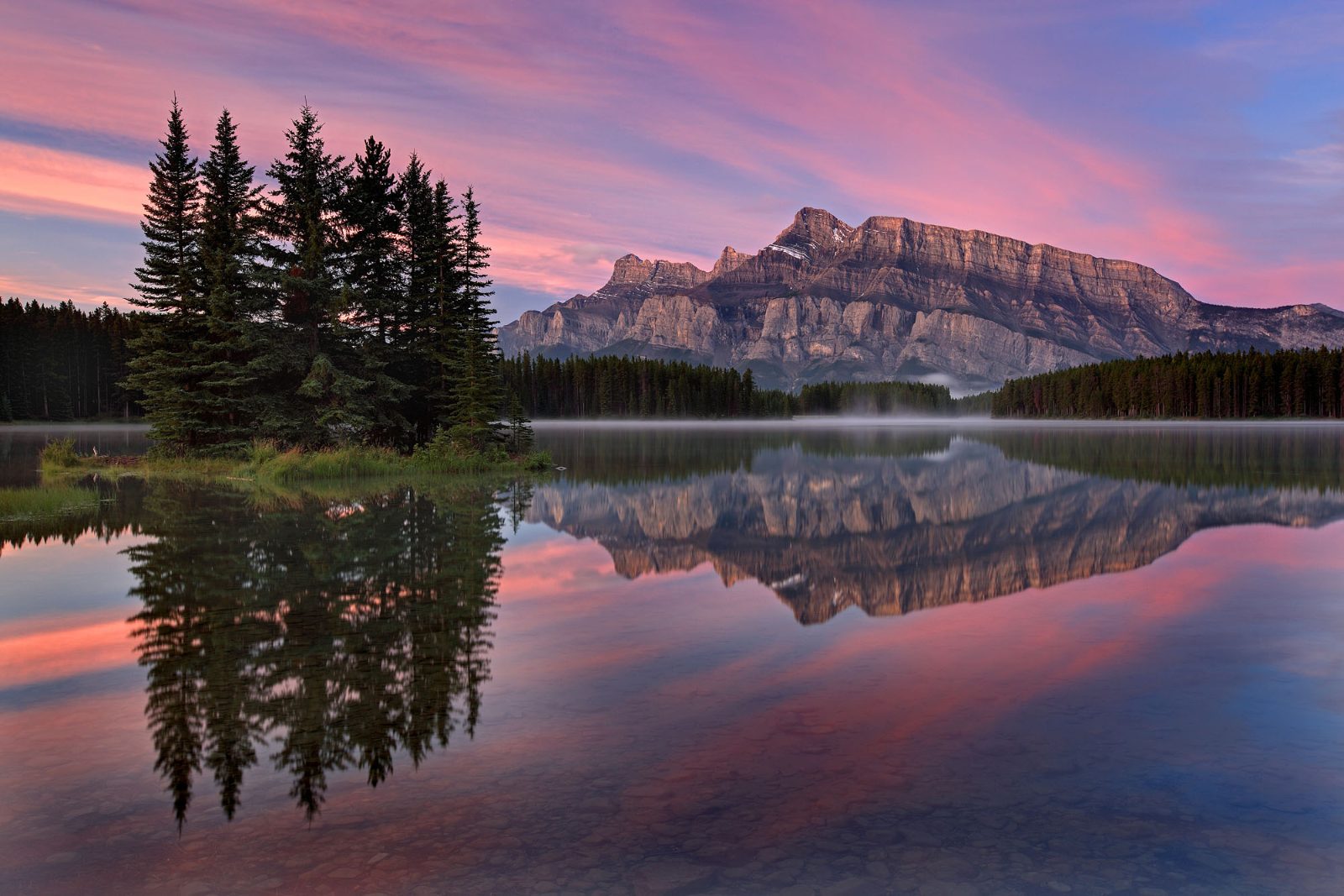
Mount Rundle

A landmark often visible during the calm portions of a Bow River banff rafting tour.

Bow Falls

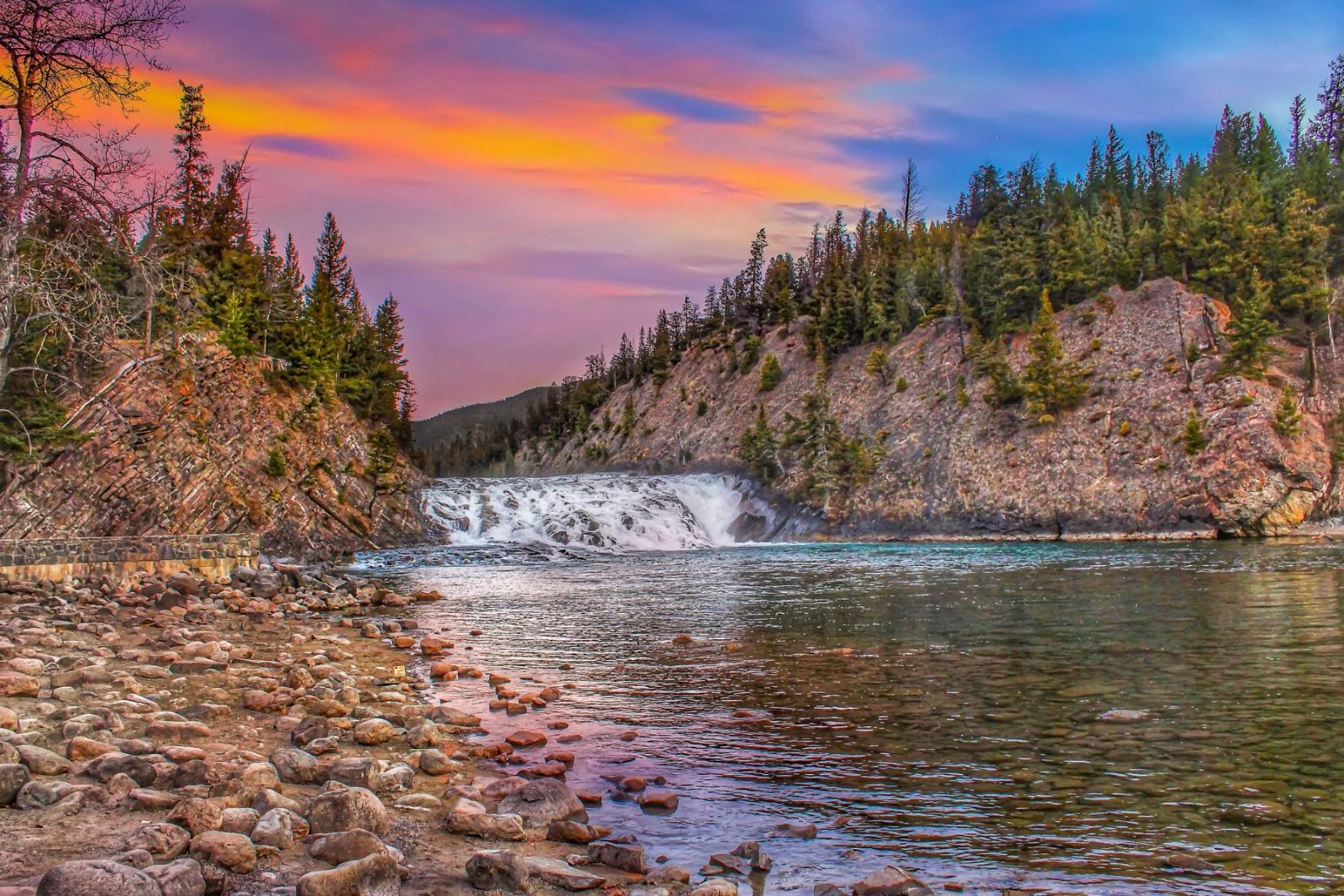
Bow Falls

A famous natural feature near the launch point for several banff rafting tour experiences.

The experience

What visiting Banff Rafting is really like

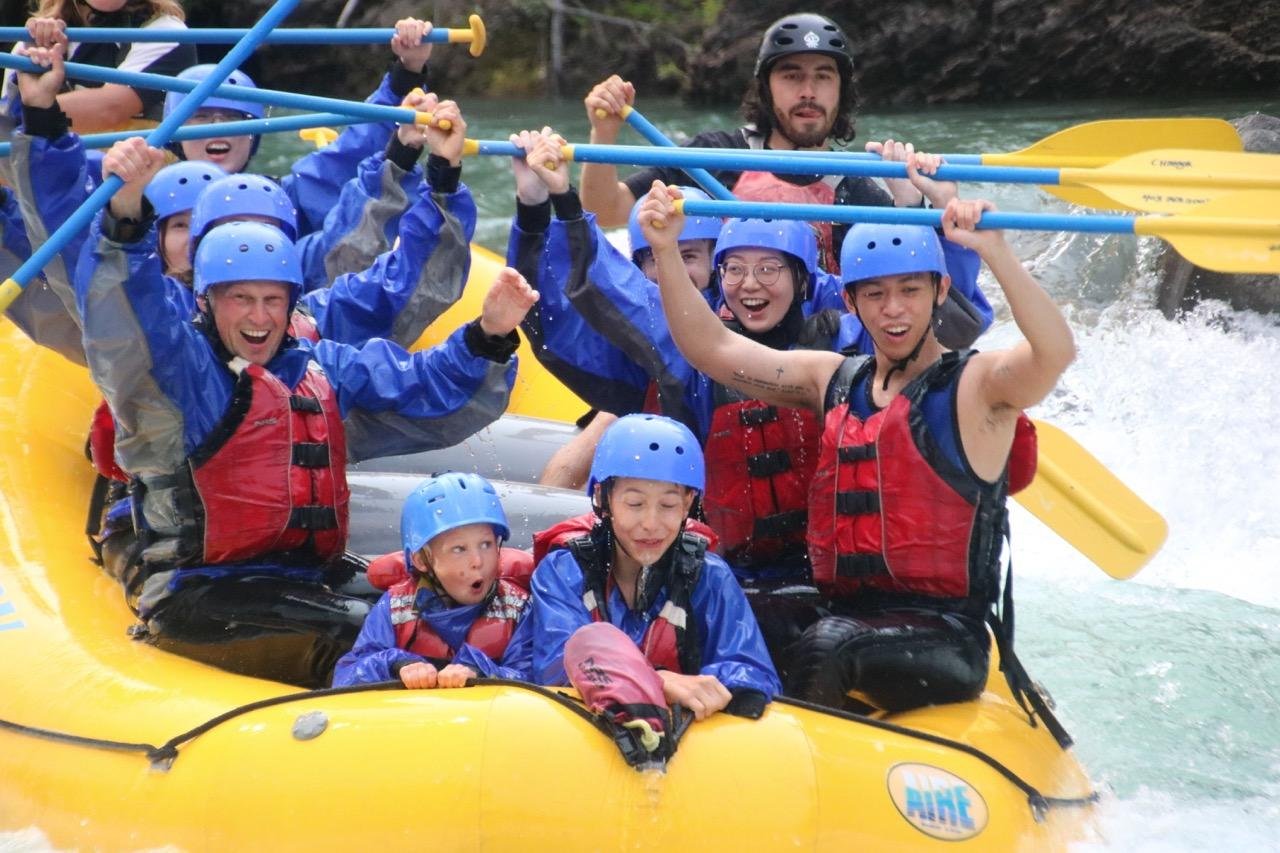
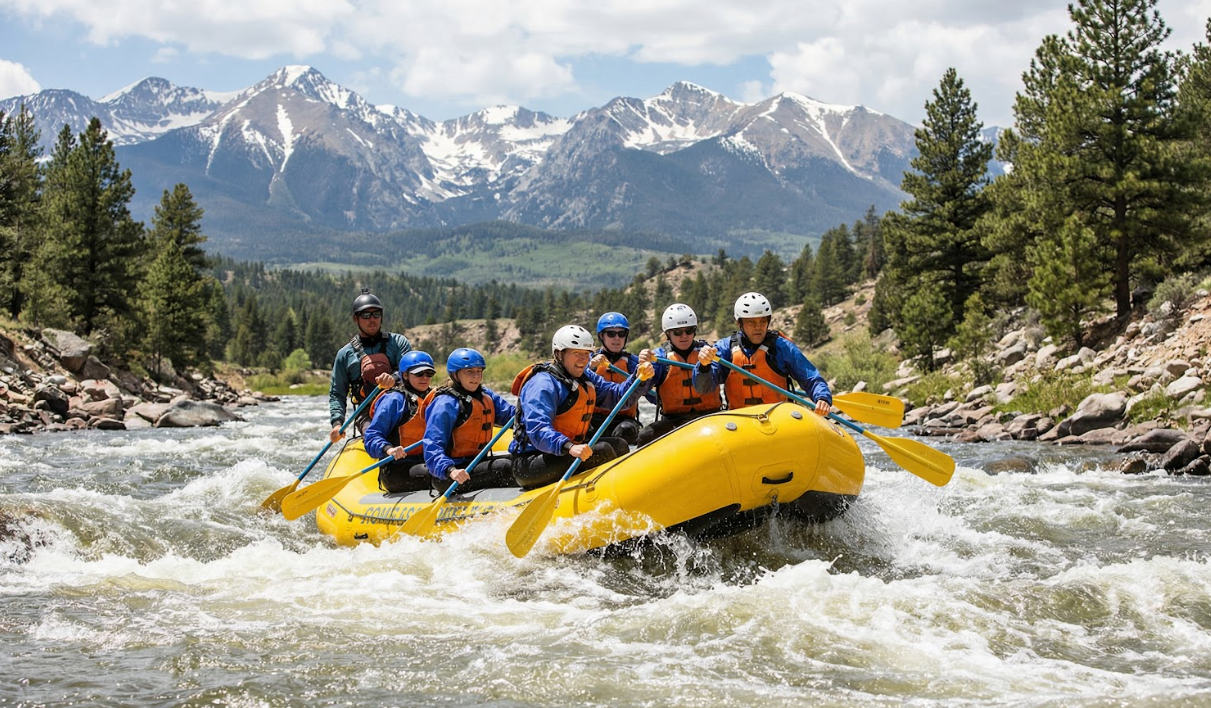
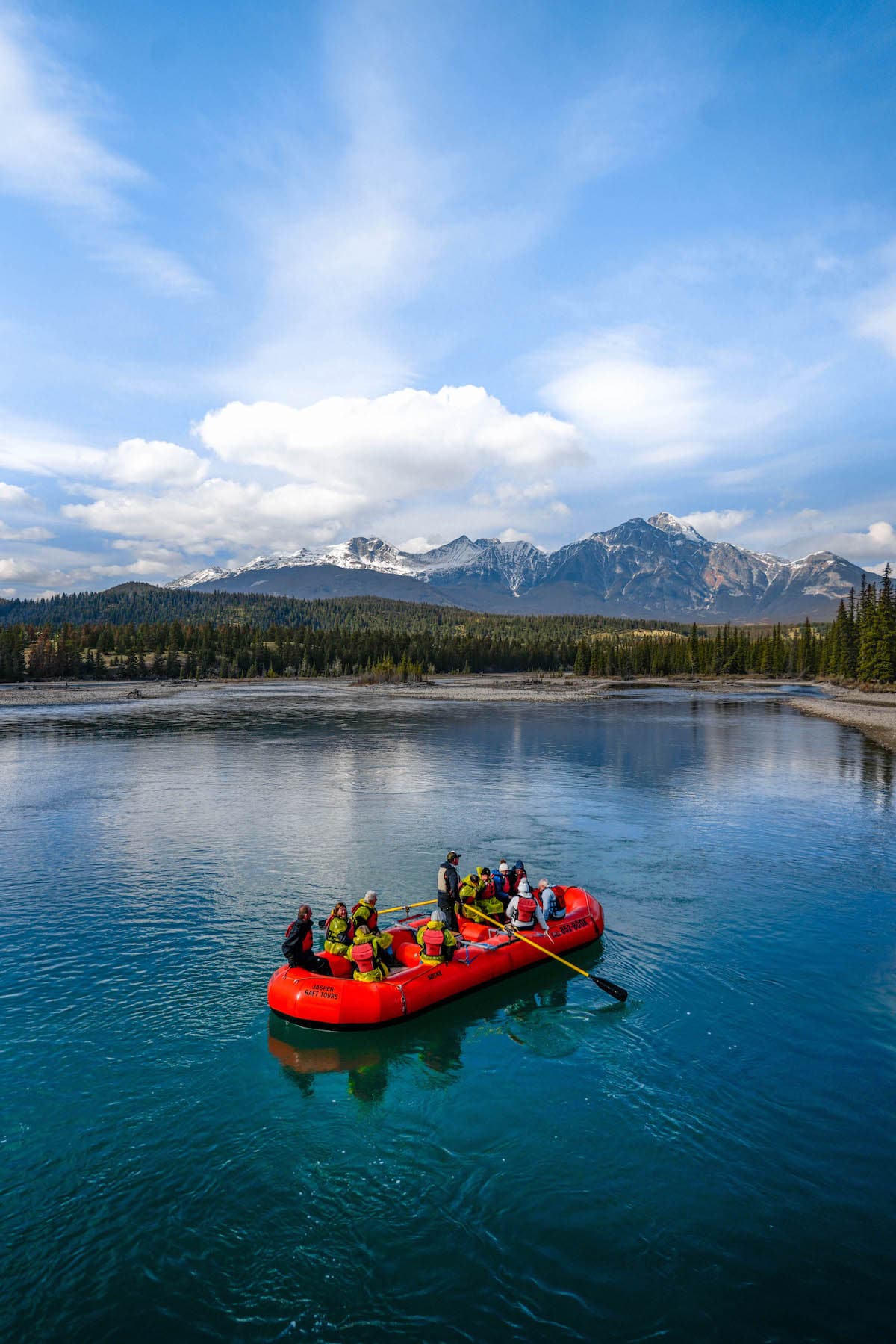
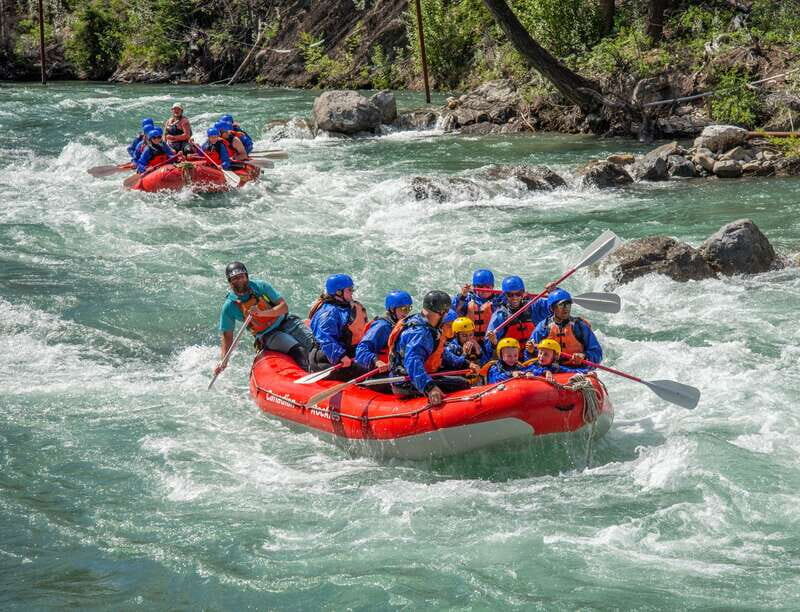
You meet your guide at the staging area as morning light angles across the valley. Wetsuit, splash jacket, helmet—each piece fitted and checked before you shoulder a paddle and walk to the river's edge. The water runs jade-green, cold enough that you feel its temperature through neoprene when you step into the raft.

Read more Show less

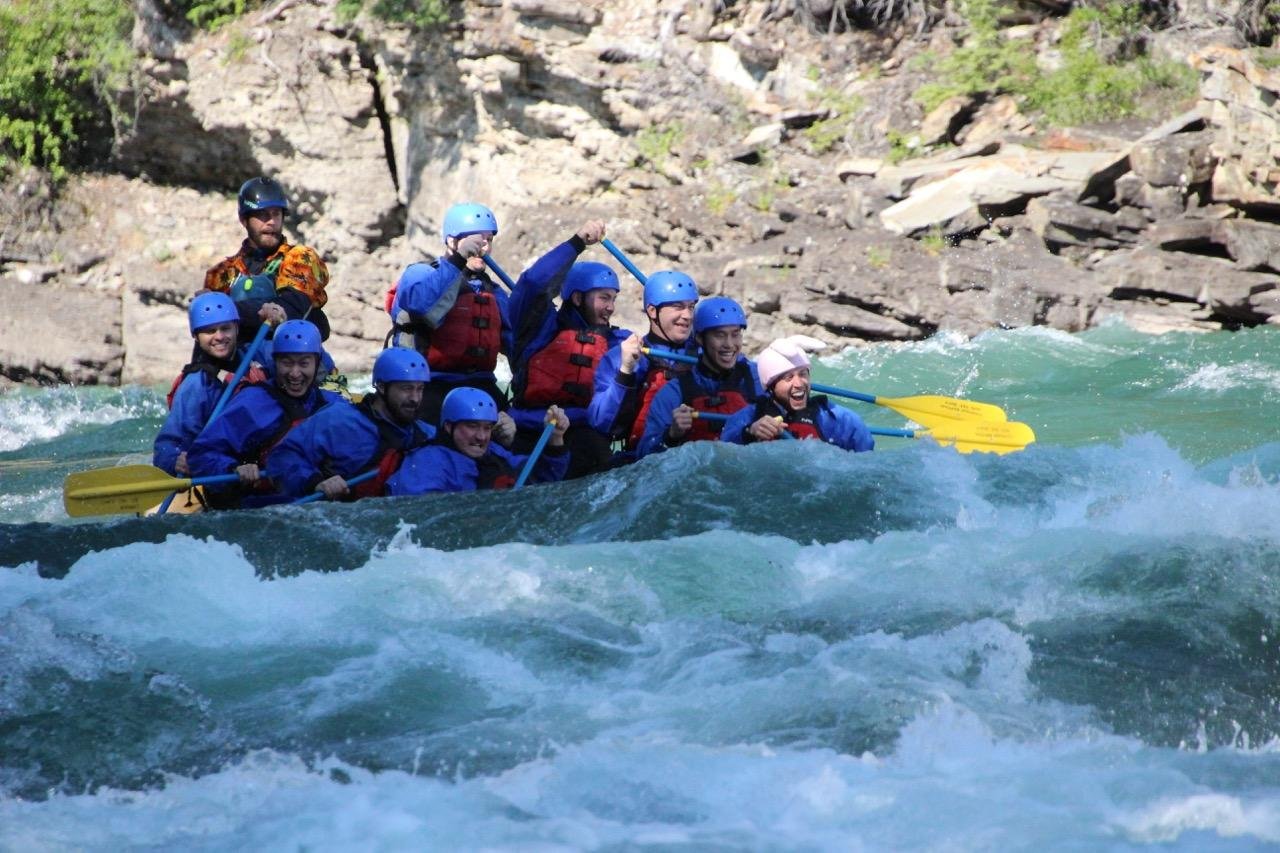
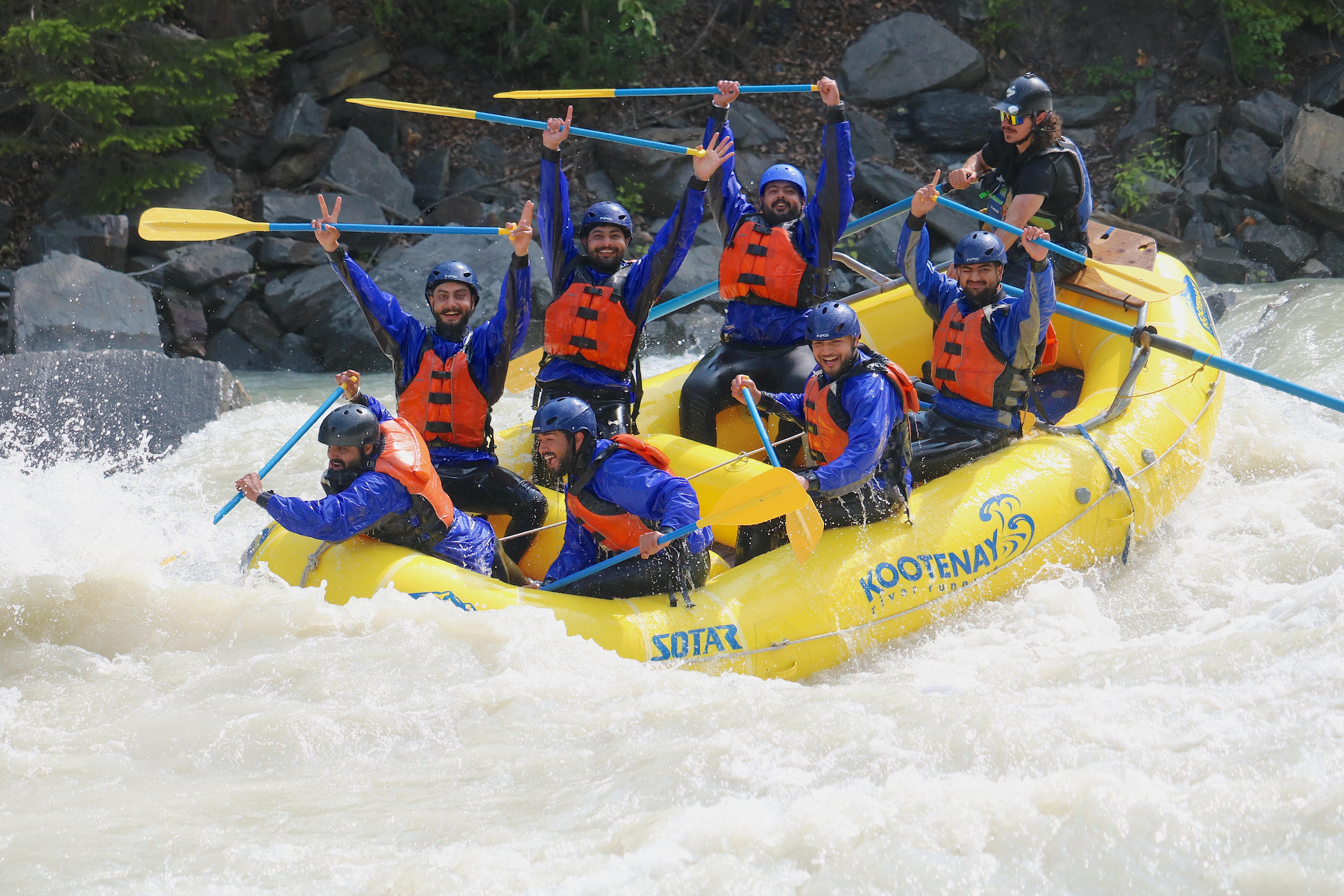
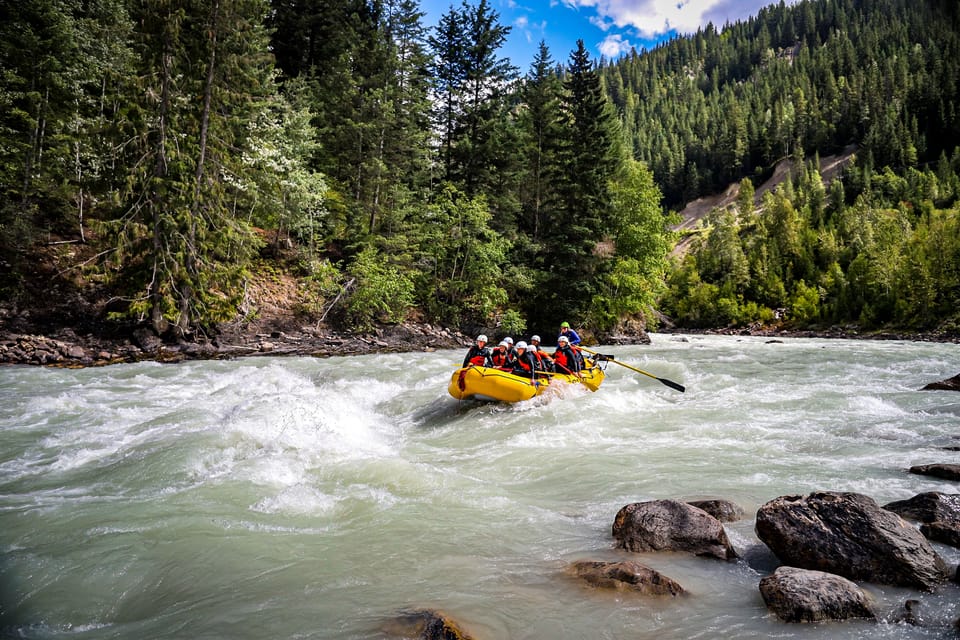
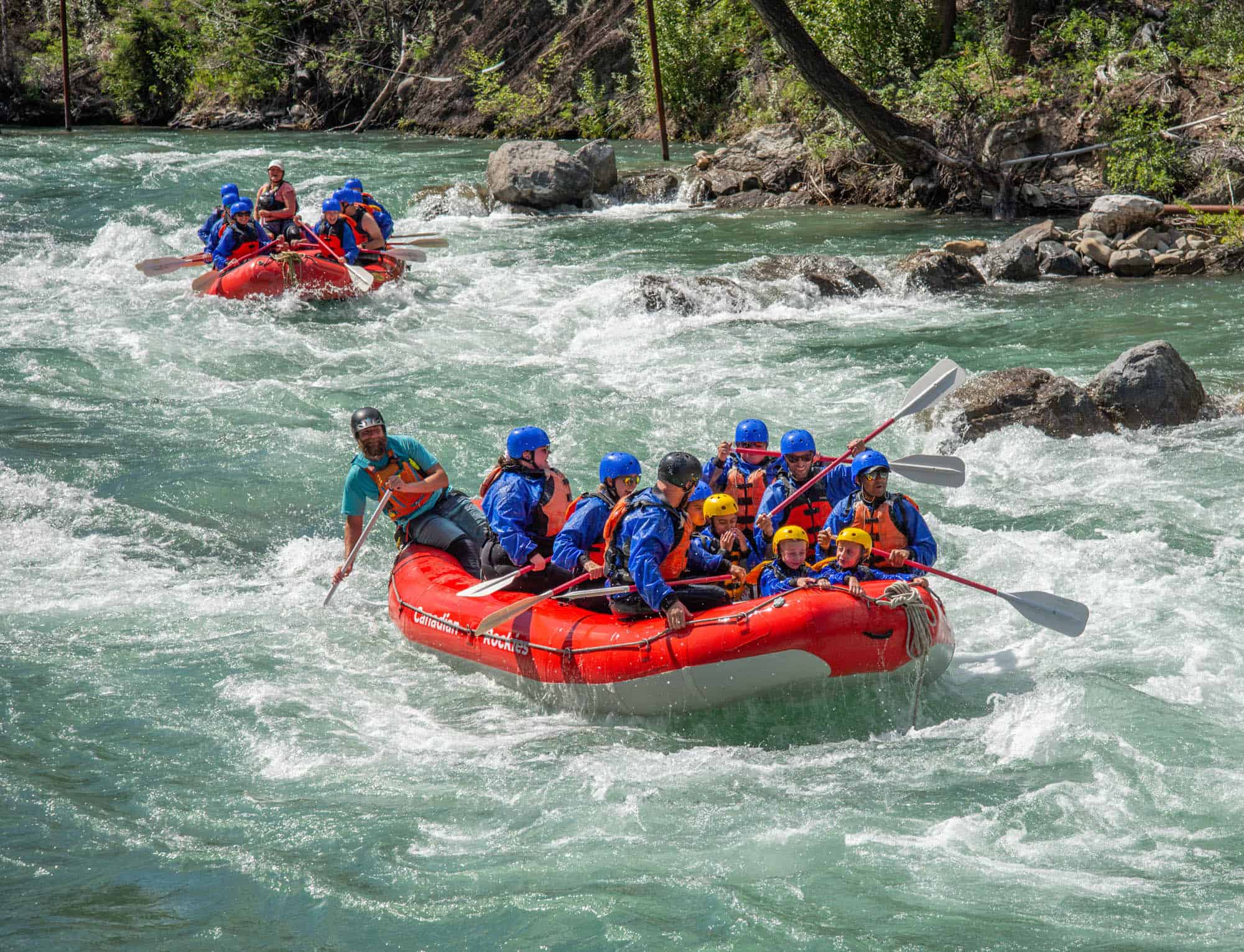
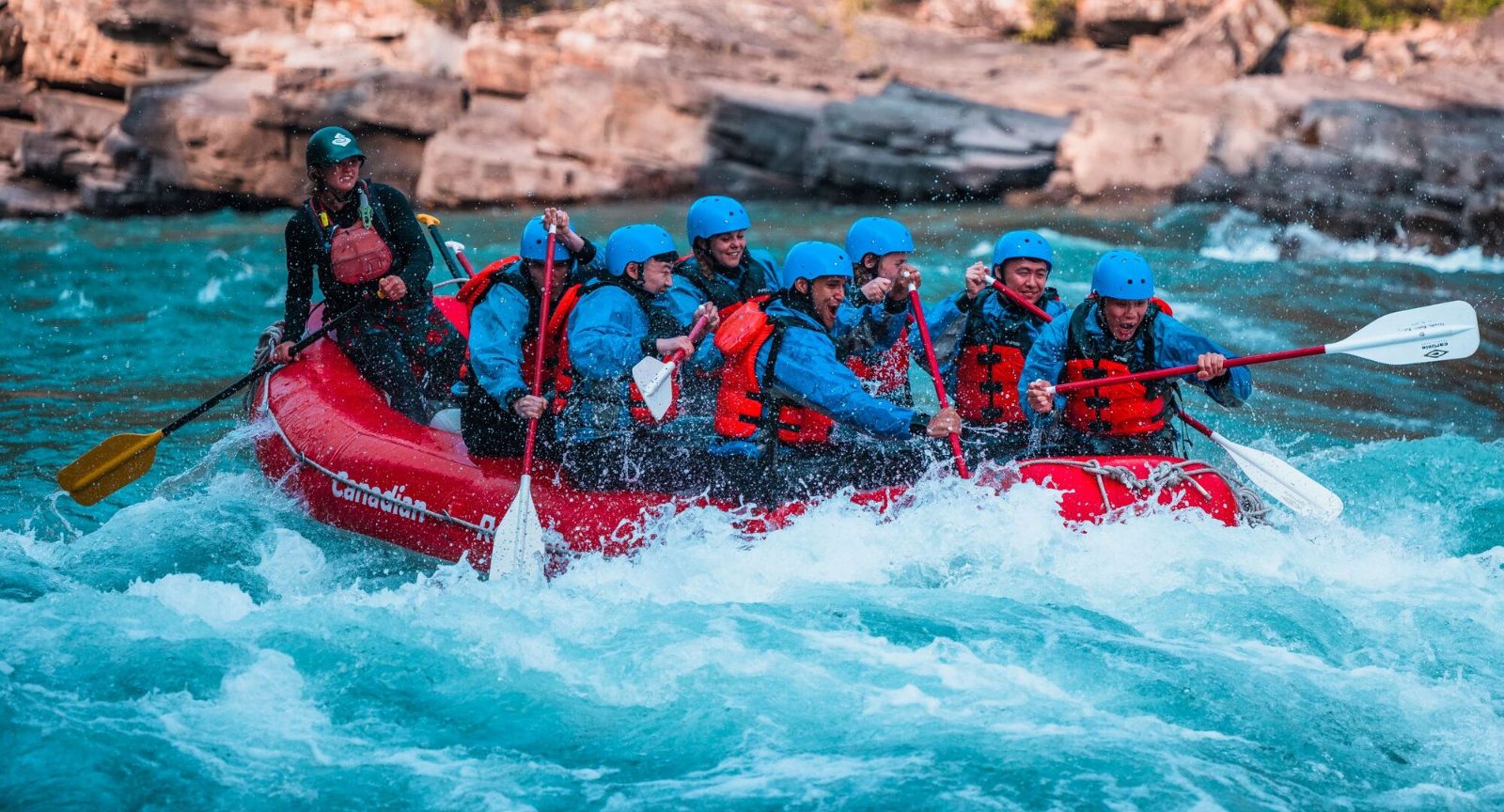
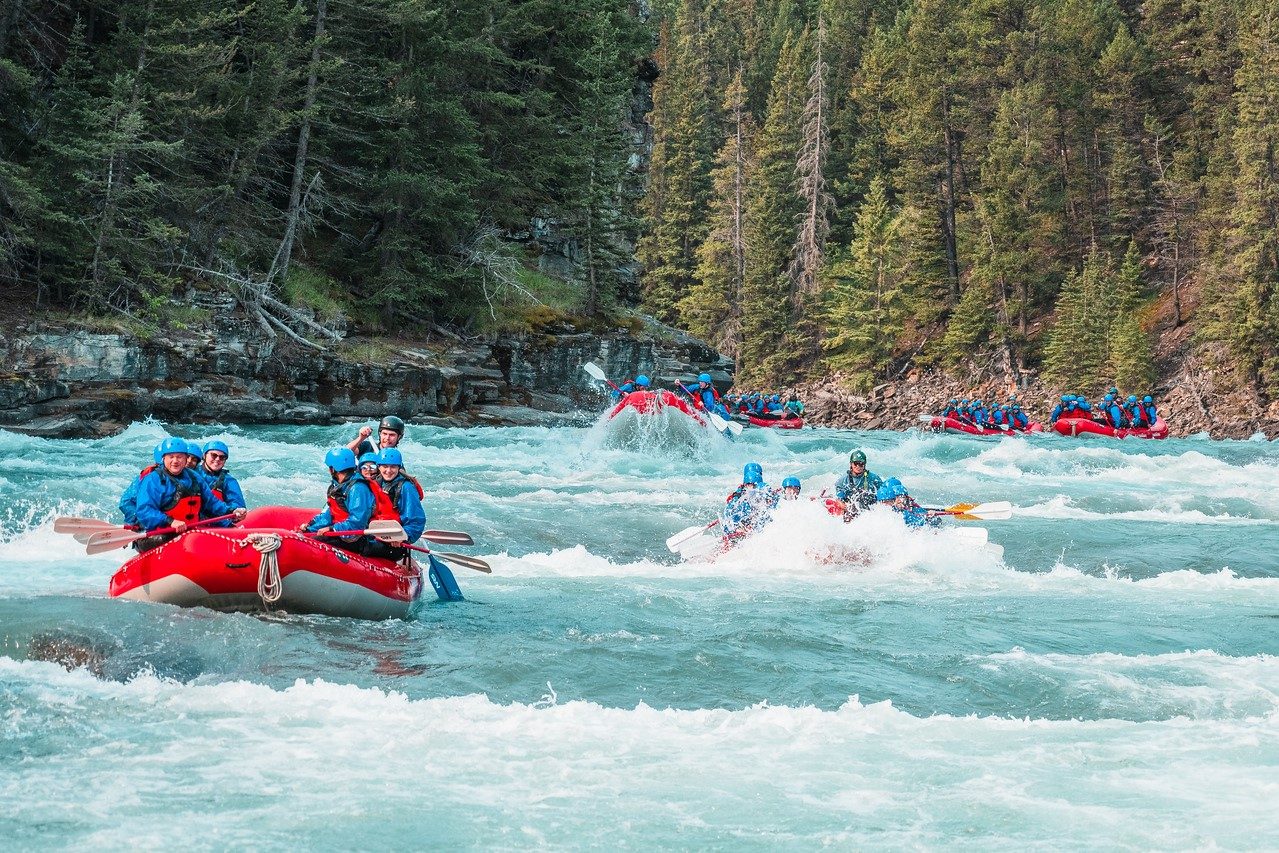
Your group pushes off into flatwater, and the guide calls cadence as you practise forward strokes and bracing positions. The current accelerates. You hear the first rapid before you see it—a low rumble that builds as the river narrows between boulders. The bow drops, glacial spray hits your face, and you dig the paddle blade deep as the guide shouts "Forward!" The raft pivots through a standing wave, water sluicing off the tubes.

Between rapids you drift past gravel bars and limestone cliffs, scanning the treeline for movement. An osprey lifts off downstream, a fish in its talons. The guide points out sediment layers in the canyon walls, rust-coloured bands marking ancient seabeds. Another rapid approaches—you lean into the next series of strokes, reading the water's surface as it funnels toward a pour-over ledge. The raft rides up, hangs for a moment, then punches through into the pool below. You paddle to shore as the sun climbs higher, legs braced against the thwart, jacket dripping onto the rocks.

Banff Rafting Tour
Everything You Need to Know

Your complete Banff Rafting guide

All the details about your upcoming adventure in one place

The Bow River carried Indigenous peoples and fur traders through the Rockies for millennia before European mapmakers named the peaks above it. By the 1880s, Canadian Pacific Railway surveyors charted the valleys, and within a generation Banff became the dominion's first national park.

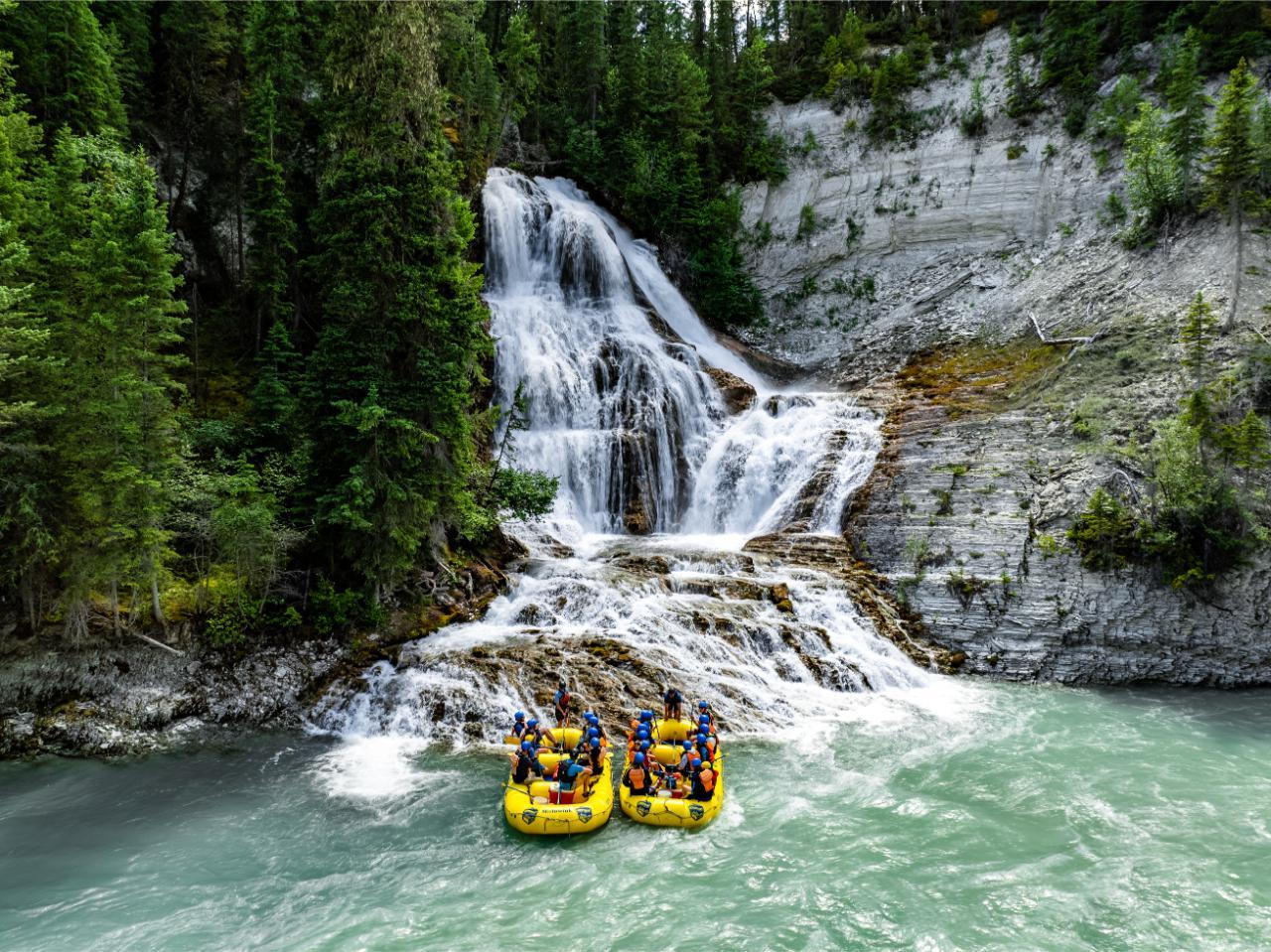
The waterways that once served as transport corridors now draw paddlers to glacial-fed rapids that cascade through limestone canyons, their routes shaped by the same geological forces that lifted the Continental Divide.

Today's Banff rafting tour operations access five distinct river systems within a two-hour radius of the townsite. The Kananaskis River, regulated by upstream dams, offers consistent Class II and III rapids through forested gorges where bighorn sheep graze on south-facing slopes. Forty kilometres west, the Kicking Horse River descends 1,100 vertical metres from Yoho National Park, its upper stretches holding Class IV whitewater that professional guides navigate during late spring snowmelt. The Horseshoe Canyon section threads between sedimentary walls carved during the last glacial retreat, exposing strata deposited when shallow seas covered Alberta 75 million years ago.

Commercial rafting arrived in the Canadian Rockies during the 1970s, when outfitters adapted techniques from the Colorado and Salmon river corridors. Modern operators now deploy self-bailing rafts designed for cold-water immersion, with neoprene wetsuits and thermal layers standard even in July. Most routes launch between 9:00 and 13:00, when diurnal temperature peaks trigger maximum glacial melt and optimal flow rates. The Kootenay River system south of Radium Hot Springs provides family-oriented floats past osprey nests and gravel bars where elk congregate at dusk. Toby Creek near Panorama Mountain Resort offers late-season paddling through September, its alpine tributaries sustaining flows after lower-elevation rivers subside.

The ecological context matters as much as the hydraulics. Parks Canada requires all rafting companies operating within Banff National Park boundaries to carry the daily conservation fee for each participant, funding wildlife corridor maintenance and invasive species monitoring. River sections traverse grizzly bear habitat, and spring departures occasionally pause while sows shepherd cubs across shallow crossings. The same cold, oxygen-rich water that creates technical rapids also sustains bull trout populations, a species monitored under federal recovery programs since the 1990s.

The waterways that once served as transport corridors now draw paddlers to glacial-fed rapids that cascade through limestone canyons.

Dress code

Operators provide wetsuits, helmets, and life jackets for every banff rafting tour. You must wear swimwear or synthetic base layers under your gear and avoid cotton, which retains moisture and heat loss.

Bags & security

Do not bring bags on the raft; leave personal belongings in designated lockers or vehicles at the base camp. Many operators prohibit electronics on the river during your banff rafting tour.

Photography

Use only waterproof cameras with secure straps during your banff rafting tour. Professional photos are often available for purchase at the end of your experience.

Families & strollers

Family-friendly banff rafting tour options often feature Class II-III rapids suitable for children aged 8 and up. Always verify the age and weight requirements for your chosen banff rafting tour tour.

Accessibility

Whitewater rafting requires basic physical fitness and ability to follow guide instructions. Contact your specific banff rafting tour operator to discuss medical conditions or physical limitations.

Food & drink

Hydration is key; bring a water bottle with a strap for use on the shore. Some full-day banff rafting tour tours include a barbecue lunch at base camp.

Not allowed

× Glass containers × Alcohol × Jewelry × Dangling earrings × Non-waterproof electronics × Flip-flops × Valuables × Car keys × Large bags

What to bring

✓ Swimwear ✓ Towel ✓ Warm change of clothes ✓ Water shoes with heel strap ✓ Personal medication ✓ Sunscreen

Opening hours

Mon 09:00–17:00
Tue 09:00–17:00
Wed 09:00–17:00
Thu 09:00–17:00
Fri 09:00–17:00
Sat 09:00–17:00
Sun 09:00–17:00

How to get there

At a glance

Opening hours

09:00–17:00 daily

Address

Banff National Park, Alberta, Canada

Accessibility

Varies by operator; contact your banff rafting tour provider regarding specific mobility needs

Best arrival window

09:00–13:00 — Morning departures often feature better water levels and clearer weather conditions

Storage

Secure dry storage available at base camp locations for personal items

Entrance fee

10.5 CAD (Daily park entry fee for Banff National Park, per adult)

Cancellation policy

Most operators require notice 48-72 hours in advance for a full refund of your banff rafting tour tickets. Please review specific operator terms as conservation fees are typically non-refundable.

Plan your time

Planning Your Banff Rafting Tour Duration and Schedule

Recommended time

3-5 hours

Most excursions last between three and five hours depending on river flow and group size, so allocate extra time for travel within Banff National Park to your check-in point. A standard banff rafting tour typically includes gear fitting and safety briefings before hitting the glacial water. While morning slots are standard, you can secure banff rafting tour tickets for later in the day, though afternoons often see higher crowd levels near the staging areas. Please verify if your chosen banff rafting tour tour package includes shuttle transit or requires independent arrival at the put-in location.

Crowd levels through the day

09:00 Light
11:00 Moderate
13:00 Busy
15:00 Moderate
The story

The history of Banff Rafting

Commercial whitewater rafting in Banff emerged in the early 1970s, when outfitters first obtained permits to guide recreational floats on the Kicking Horse and Bow rivers. Before 1971, most river travel served fishing access or hydrology surveys. The Canadian Parks Service granted the earliest commercial licenses in 1972, limiting group size to twelve and requiring certified swift-water rescue training. Early banff rafting tour operators used military-surplus paddle rafts and worked without the self-bailing floors that became standard a decade later. The Kicking Horse River, which flows just west of the park boundary near Field, British Columbia, became the region's signature whitewater corridor by 1978. Its Class III and IV rapids drew paddlers from across North America. In 1984, a capsized raft on Shotgun rapid killed two clients, prompting Parks Canada and the British Columbia government to mandate helmet use and raise guide-certification standards. The tragedy accelerated professionalization across all banff rafting tour tickets operations. By 1990, outfitters had adopted neoprene wetsuits, hydraulic rescue throw bags, and risk-assessment protocols still in use today. The Bow River, flowing directly through Banff townsite, offered gentler Class I and II water suited to families and first-time rafters. Outfitters began marketing half-day float trips in the mid-1980s, emphasizing wildlife sightings over adrenaline. Elk, bighorn sheep, and osprey became as central to the experience as paddle technique. Modern banff rafting tour tours now span a spectrum from the Bow's scenic floats to the Kicking Horse's technical descents, with operators required to carry satellite communication devices and file daily trip plans. The industry supports roughly two dozen licensed companies, employing seasonal guides trained in wilderness first aid, and contributing an estimated twelve million dollars annually to the Bow Valley economy.

Early 1970s

First commercial whitewater permits issued for Bow and Kicking Horse rivers.

1972

Canadian Parks Service establishes group-size limits and swift-water rescue certification requirements.

1978

Kicking Horse River gains recognition as the region's premier Class III–IV whitewater destination.

1984

Fatal capsizing on Shotgun rapid leads to mandatory helmet use and stricter guide-certification standards.

Mid-1980s

Outfitters begin offering family-friendly float trips on the gentler Class I–II sections of the Bow River.

1990

Industry adopts neoprene wetsuits, hydraulic throw bags, and formalized risk-assessment protocols.

2000s–present

Satellite communication devices and daily trip-plan filing become standard across all licensed operators.

Photo spots

Best photo spots at Banff Rafting

Kananaskis River Launch Point

Kananaskis River Launch Point

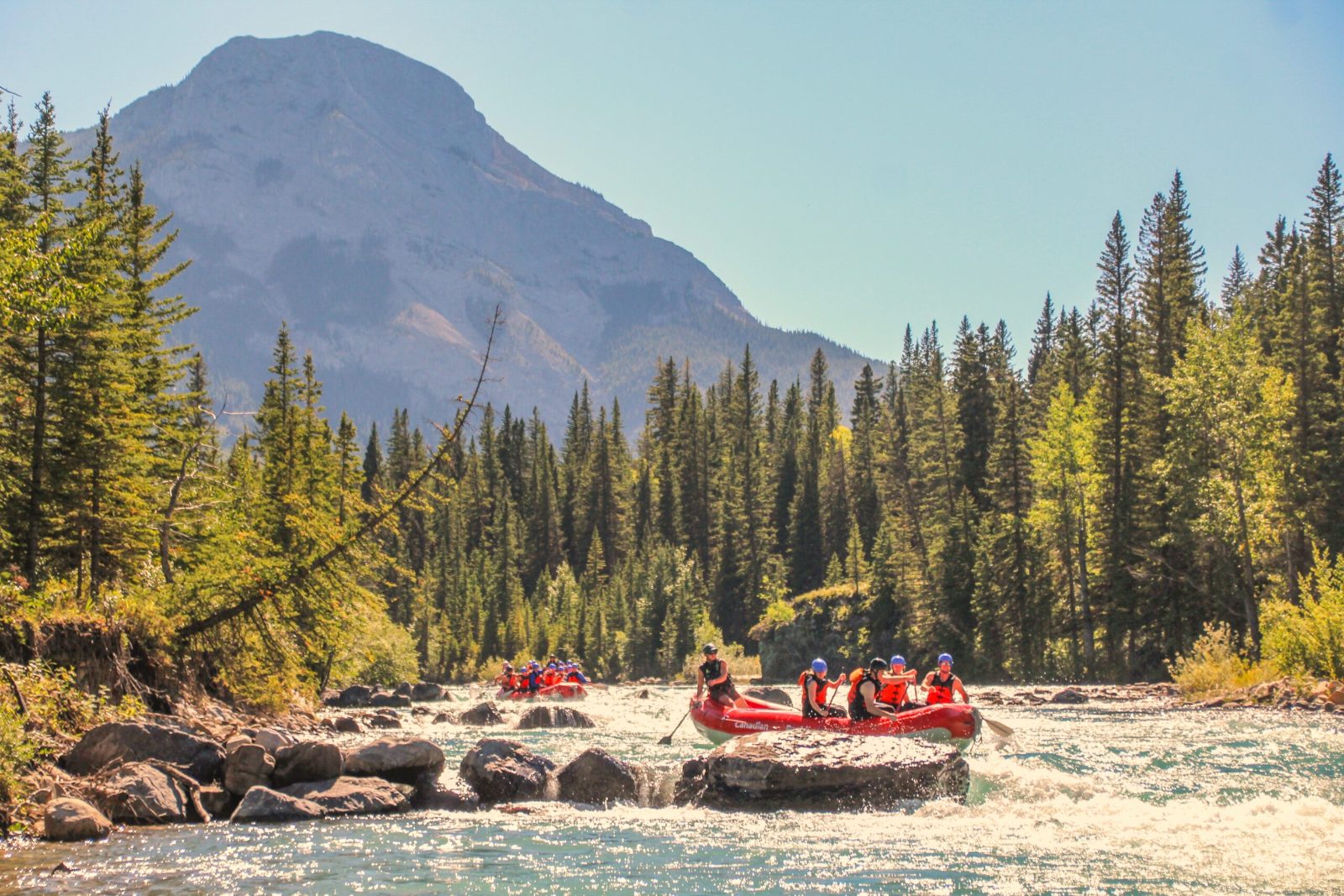
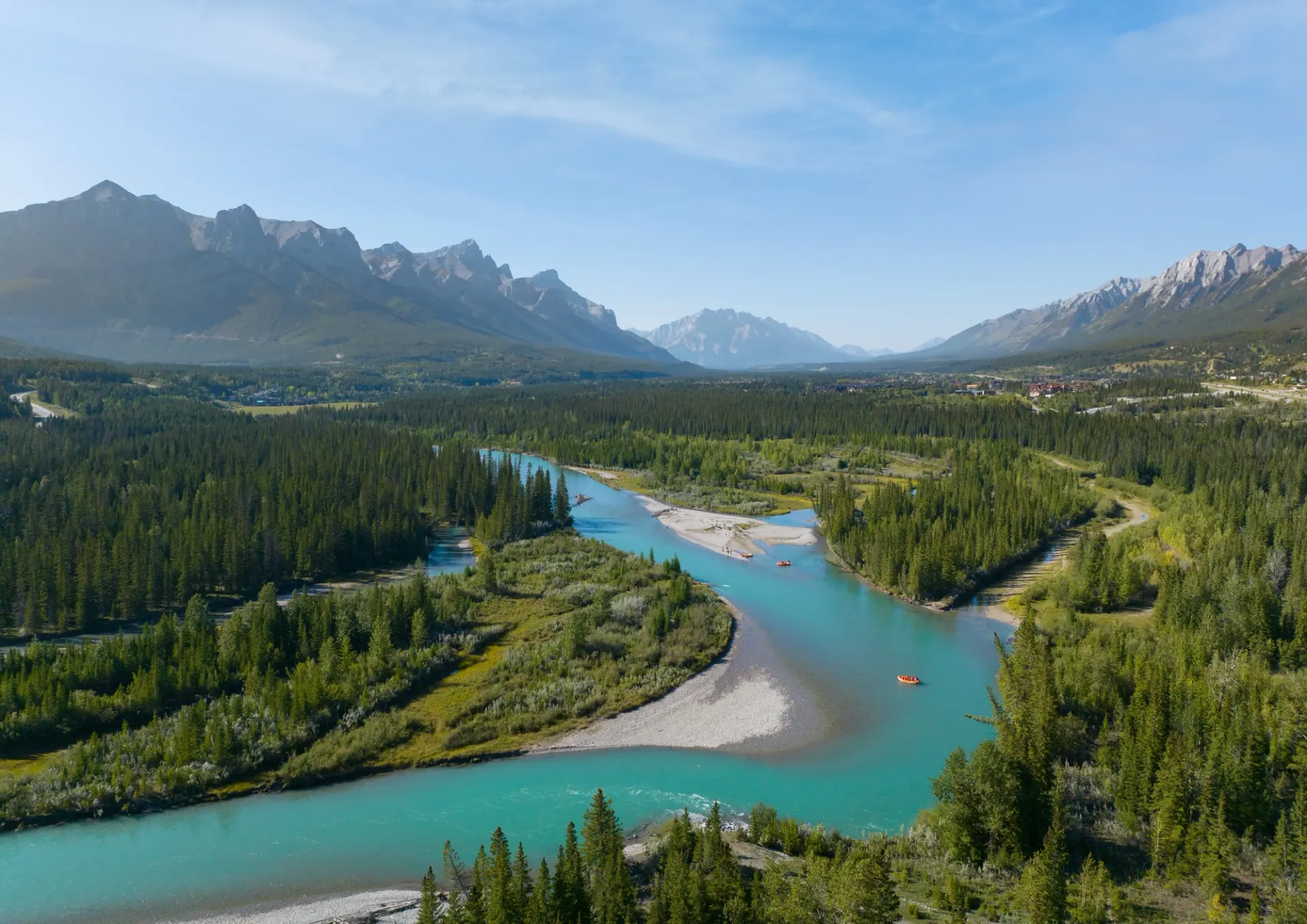
Stand at the river bank where the water meets the forest line to capture the rafts preparing for departure. This location provides a clear perspective of the river bend and mountain backdrop for your banff rafting tour photos.

Bow River Horseshoe Canyon

Bow River Horseshoe Canyon

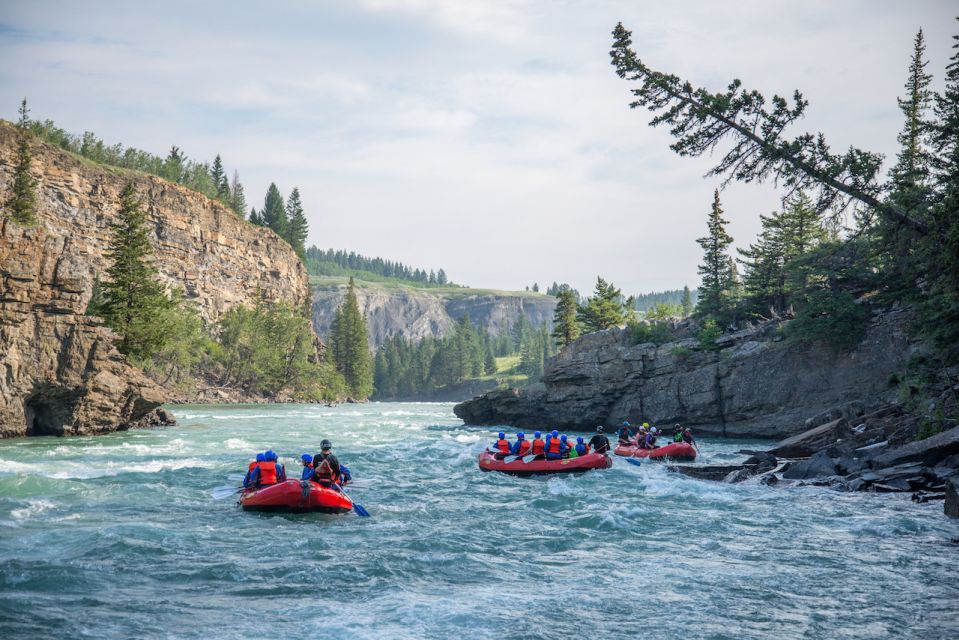
Position your camera at the edge of the canyon cliffs looking down toward the whitewater rapids as teams navigate the currents. This vantage point is ideal for capturing dynamic movement and high-contrast water splashes during your banff rafting tour tours.

Mount Kidd Viewpoint

Mount Kidd Viewpoint

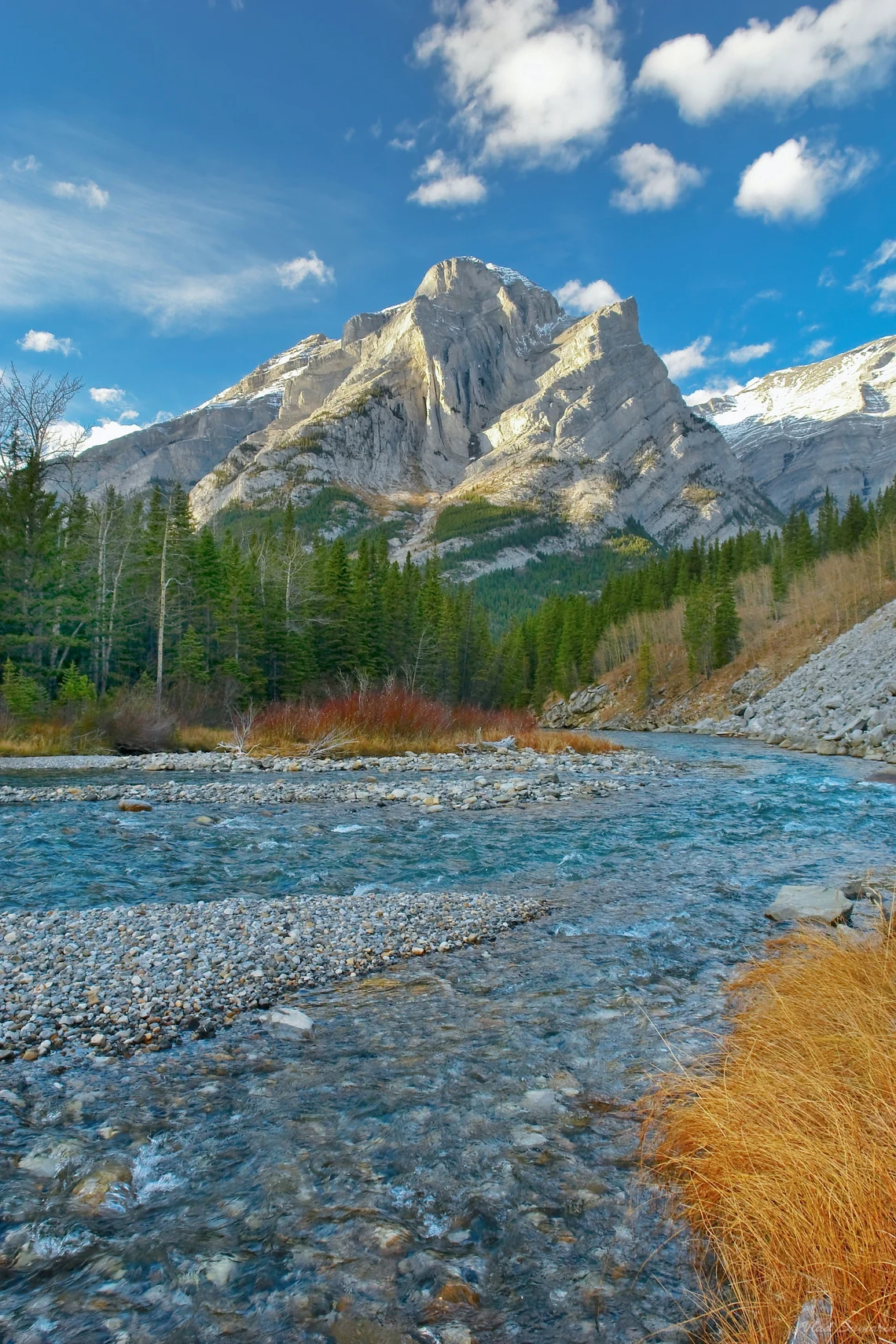
From the river level, aim your lens upward to frame the jagged peaks of the Kananaskis range behind the floating boats. This angle highlights the scale of the landscape relative to the river participants on a banff rafting tour tour.

Bow Valley Trail Overlook

Bow Valley Trail Overlook

Find this elevated spot along the river path for a panoramic view of the rafting channel winding through the coniferous forest. It is the best place to secure wide-angle shots before you purchase your banff rafting tour tickets.

Gallery

Moments from Banff Rafting

With kids

Banff Rafting Tour Logistics for Families

Planning a banff rafting tour with children requires balancing river intensity with the physical requirements of paddling through mountain currents. Selecting an appropriate whitewater excursion ensures young participants remain engaged and comfortable throughout the journey.

River Selection

Choose Class II rapids for younger children to ensure a manageable experience on the water while teenagers may enjoy the excitement of more technical sections of the river. Participants should be comfortable sitting for extended periods and listening to guide instructions during these banff rafting tour tours. ;Physical Demands

Food & drink

Where to eat at Banff Rafting

Visitors planning a banff rafting tour will find limited on-site dining, so most guests head toward the town center for a post-adventure meal. Many local restaurants are situated within a short walk from departure points, making it easy to grab a bite after your whitewater rafting excursion.

Bear Street Tavern

$15-30

Bistro — 5 min walk

Known for casual thin-crust pizzas and hearty pasta dishes that satisfy post-river hunger. It can get busy in the evenings, so consider booking banff rafting tour tours in advance to secure a table.

FAQ

Banff Rafting — frequently asked questions

Everything you need to know for your journey

Ready for Adventure?

Join thousands of happy travelers who have discovered this incredible experience

Book Your Experience Now