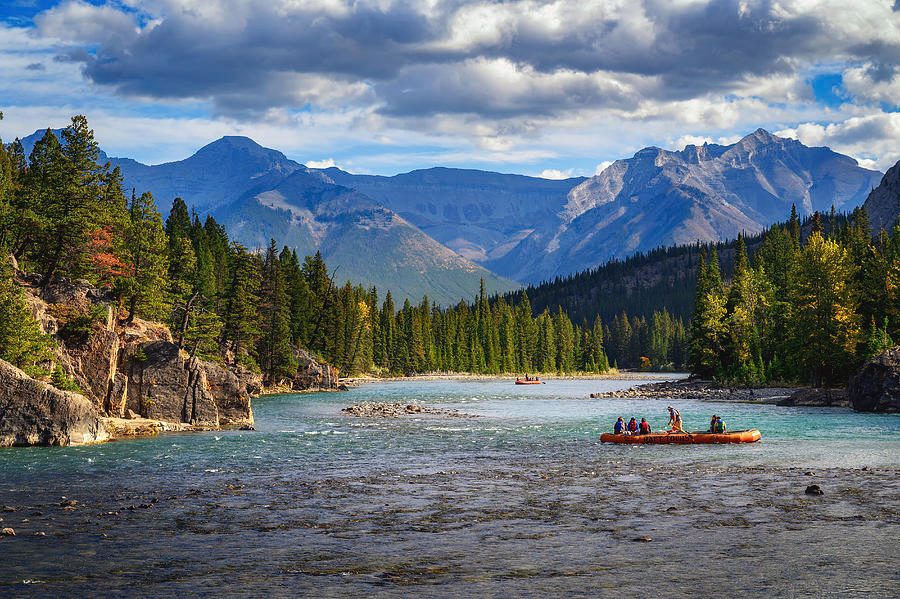
4 hr
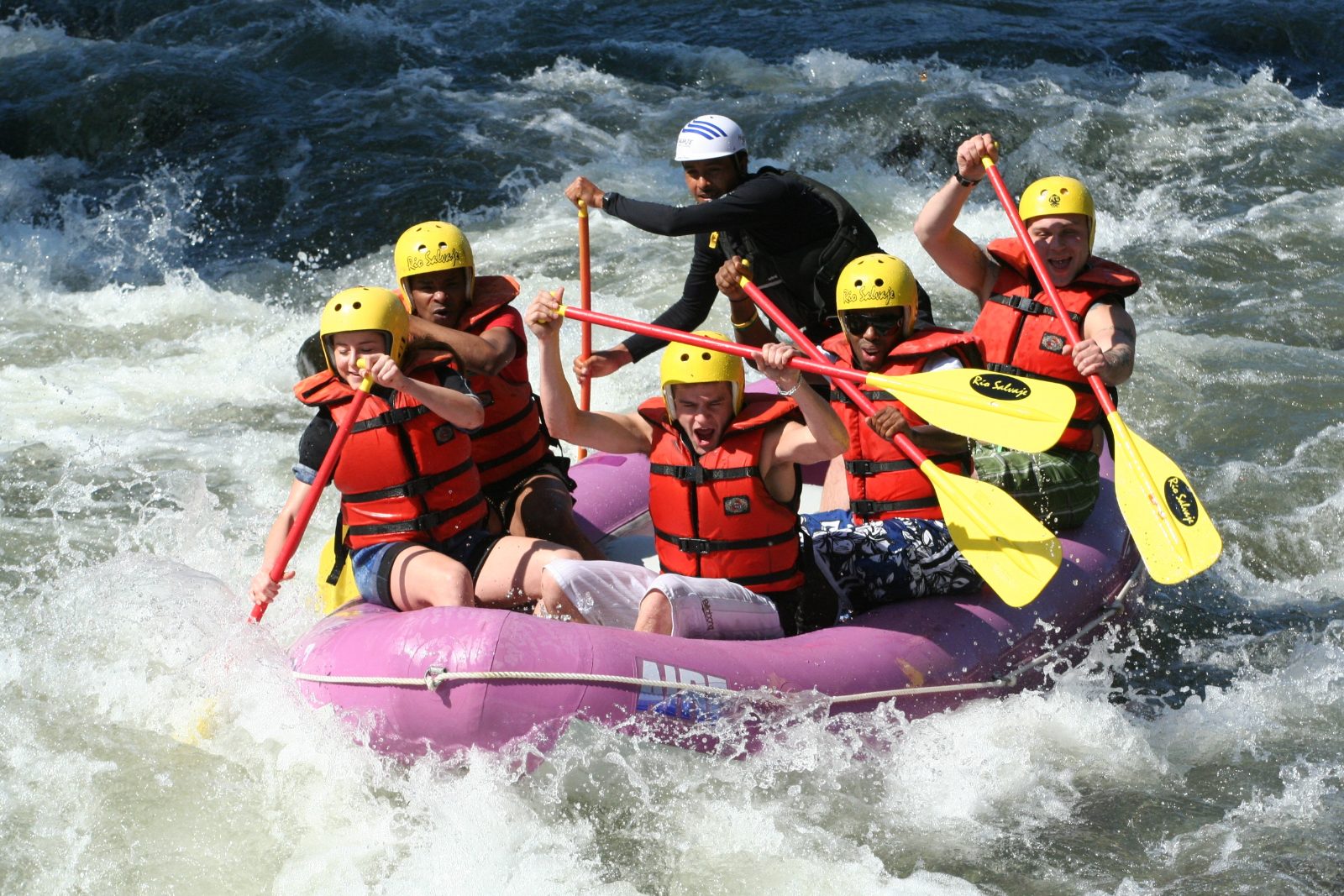
Kananaskis River Whitewater Rafting Adventure
- Entry ticket
- Mobile voucher
- Valid same day
- Free cancellation
Banff Rafting Bow River — Whitewater Through the Rockies
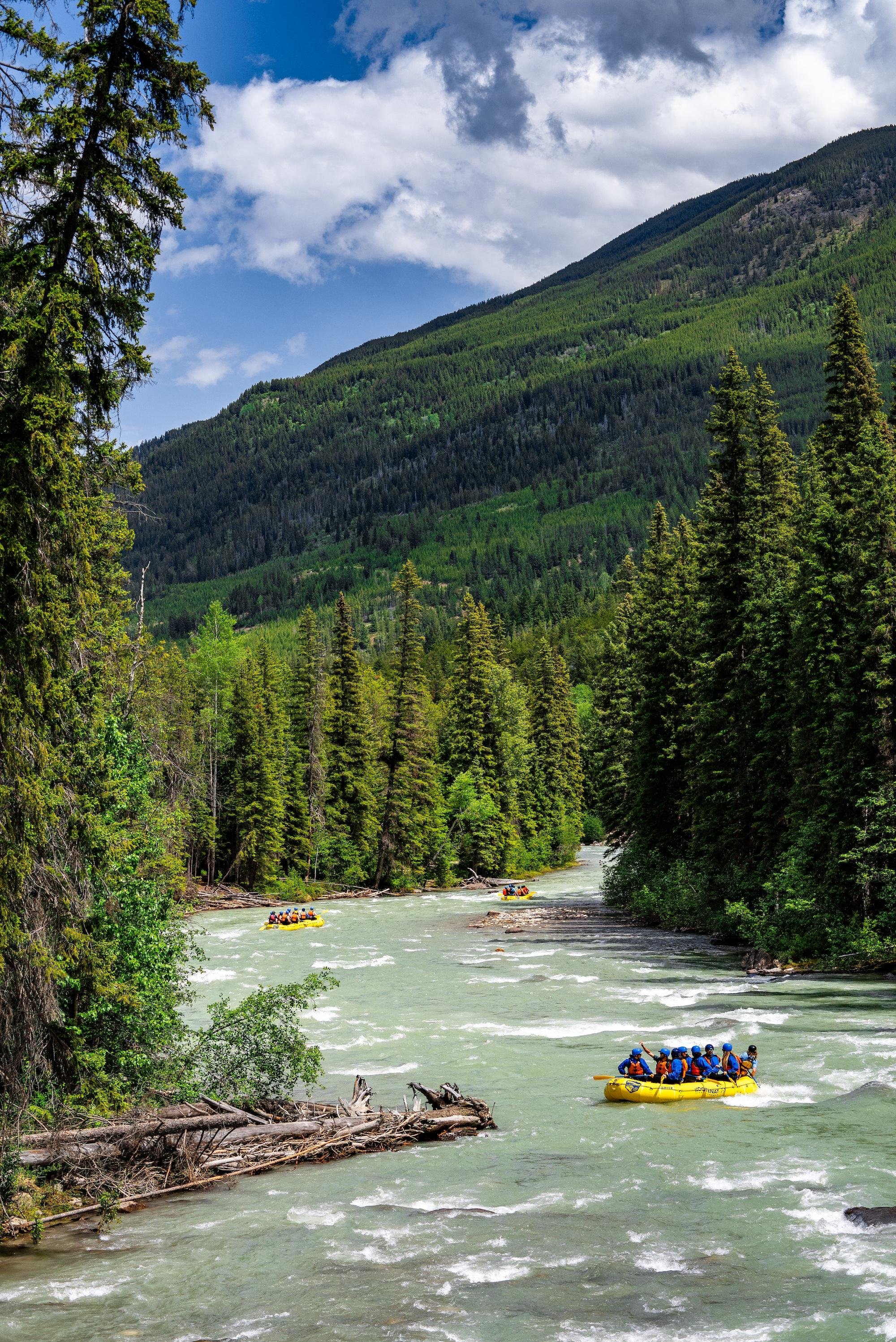
Glacial rapids carve through limestone walls, paddle strokes echo across turquoise channels
Compare fares, pick the fit — all bookings are mobile-voucher and eligible for free cancellation where shown.
4 hr
4 hr
4 hr
Visitors seeking a scenic experience on the banff rafting bow river can choose between a standard float trip or a flexible booking approach for their journey through the Canadian Rockies. These banff rafting bow river tours provide accessible waterway navigation past mountain landmarks and natural wildlife habitats.
|
Top pick Standard Float Trip Timed departure (1 hour) |
Flexible Booking Box office ticket purchase | |
|---|---|---|
| River Experience | Guided scenic float | Guided scenic float |
| Advance Reservation | Required online | Not available |
| Included Equipment | Life vest and shuttle | Life vest and shuttle |
| Age Requirement | 2+ years | 2+ years |
| Best for | First-timers and families | Spontaneous travelers |
| See tickets & prices |
Verdict: For the most reliable access to these banff rafting bow river tickets during the 10:20–16:20 arrival window, we recommend reserving your time slot in advance.
Worth it for thrill-seekers and scenery lovers
Banff rafting bow river trips deliver Class II–III rapids through the Canadian Rockies, combining whitewater adrenaline with mountain views most visitors only see from roadside pullouts. Entry to the river itself is free, but guided tours—ranging from half-day Kananaskis runs to full-day Kicking Horse expeditions—start around CAD 90–150 per adult depending on distance and rapid intensity. The value proposition hinges on experience level: beginners gain expert instruction and safety gear in untamed alpine waters, while seasoned paddlers access remote canyon stretches unreachable by trail. Tours run 10:20–17:20 daily through peak season, with morning departures offering calmer conditions and smaller groups. If you want wildlife sightings, glacial meltwater, and genuine white-knuckle moments beyond postcard snapshots, banff rafting bow river tours justify the spend. Casual sightseers satisfied with riverbank views can skip the paddle and save the cost.
Bottom line: Book a Bow River rafting adventure if active mountain immersion beats passive viewing—the rapids and canyon access deliver what roadside stops cannot.
They complement each other; most visitors who do both call the Kicking Horse the more thrilling whitewater experience, while banff rafting bow river tours offer a relaxed introduction to the Canadian Rockies.
|
Top pick Bow River |
Kicking Horse | |
|---|---|---|
| Adventure Intensity | Low (Scenic Float) | High (Class 3-4 Rapids) |
| Primary Experience | River sightseeing and wildlife | Whitewater rafting adrenaline |
| Skill Level Required | Beginner (none) | Intermediate/Advanced |
| Scenery | Mountain vistas and calm water | Rugged canyon walls and glacial water |
| Typical Duration | 2–3 hours | 4–5 hours |
| Safety Profile | High (calm currents) | Moderate (active river management) |
| See tickets & prices |
Verdict: Choose a banff rafting bow river tour for a calm outing with views, or select the Kicking Horse if you seek demanding rapids and banff rafting bow river tickets for high-octane river navigation.
Hand-picked experiences loved by thousands of travelers
5.5 - 9 hours
Free Cancellation
Navigate exciting rapids through Canadian Rockies wilderness on a family-friendly river journey.
2 hours
Free Cancellation
Navigate Class I–III rapids through stunning mountain scenery on this thrilling 8km creek adventure.
1 hour 30 minutes
Free Cancellation
Drift peacefully through mountain scenery, wildlife, and towering peaks on a guided Bow River adventure.
1.5 hours
Free Cancellation
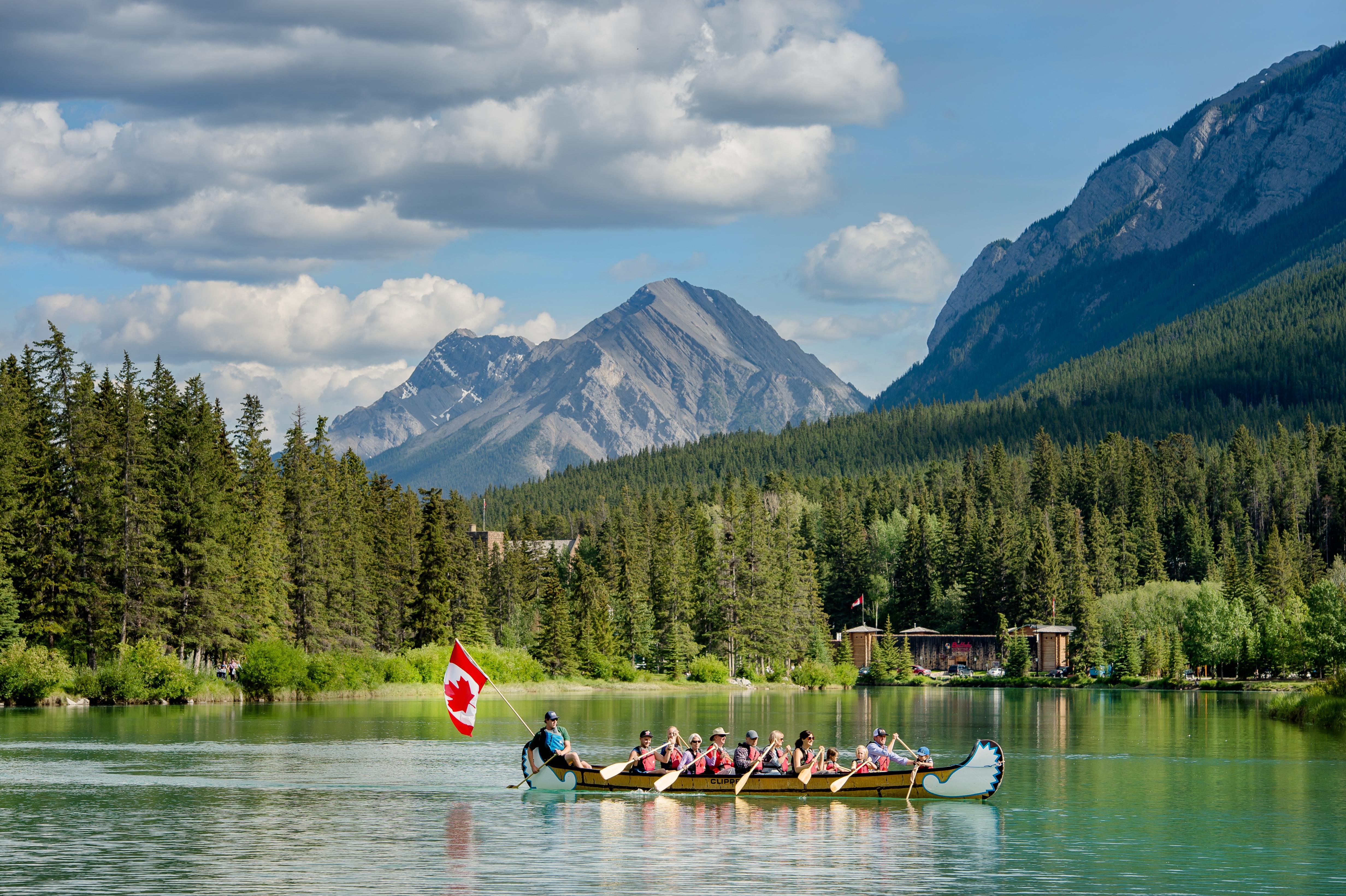
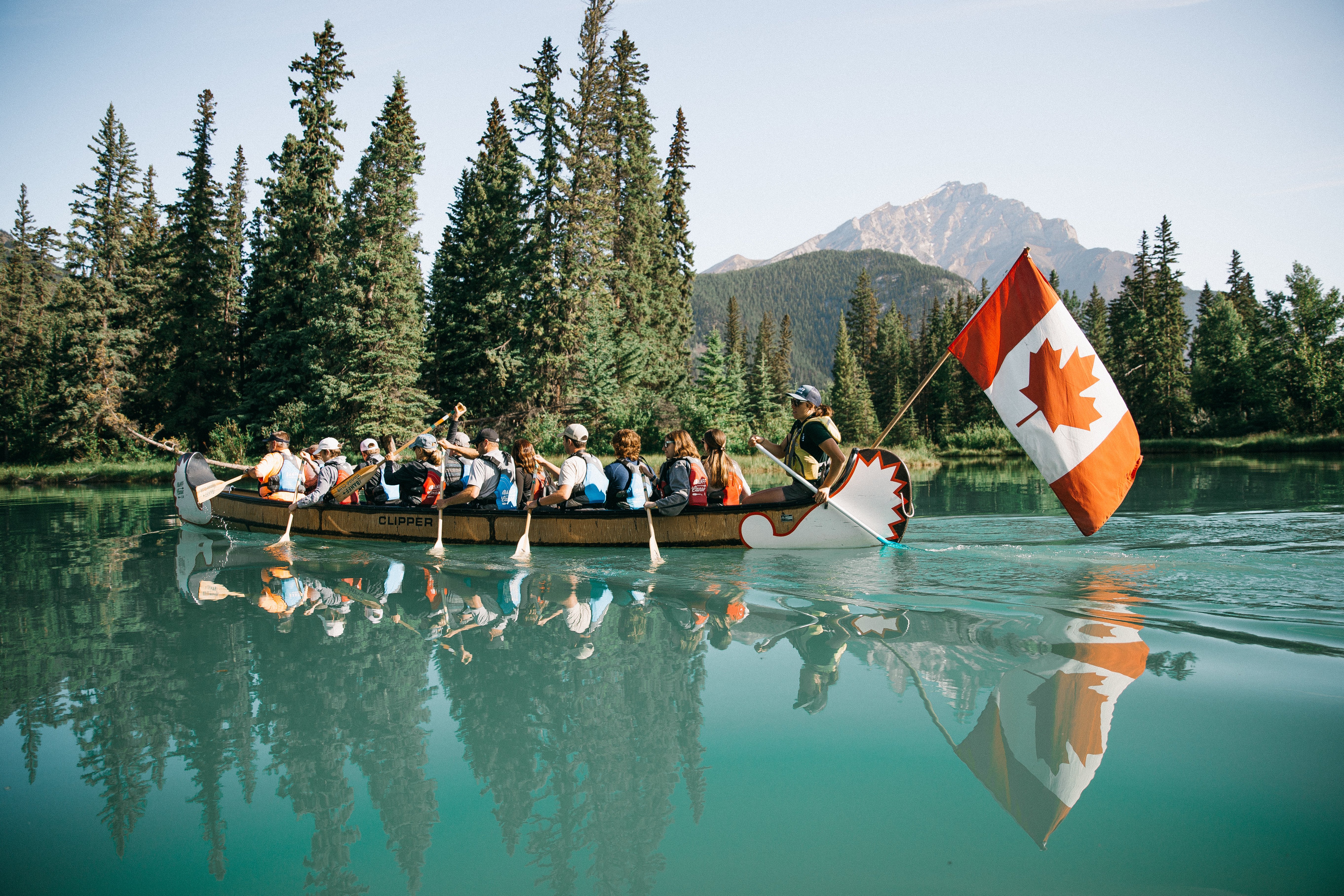
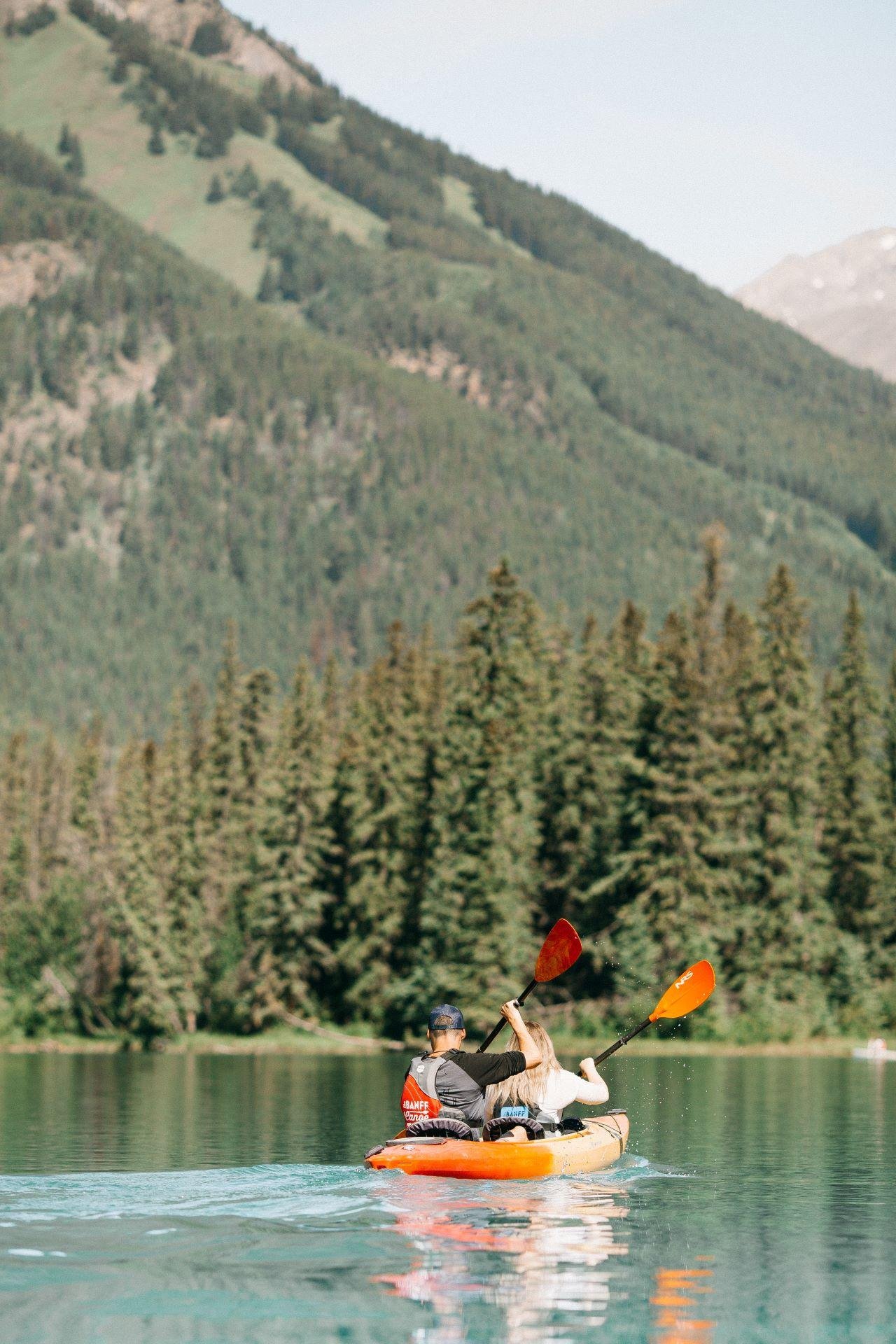
Glide through Banff's waterways in a 12-person voyageur canoe, spotting eagles, elk, and beavers at dusk
1.5 hours
Free Cancellation
Paddle through stunning mountain scenery on a guided canoe journey perfect for families and beginners
2 hours
Free Cancellation
Paddle the Bow River at sunrise before the crowds arrive for a peaceful wilderness experience.
7 hours
Free Cancellation
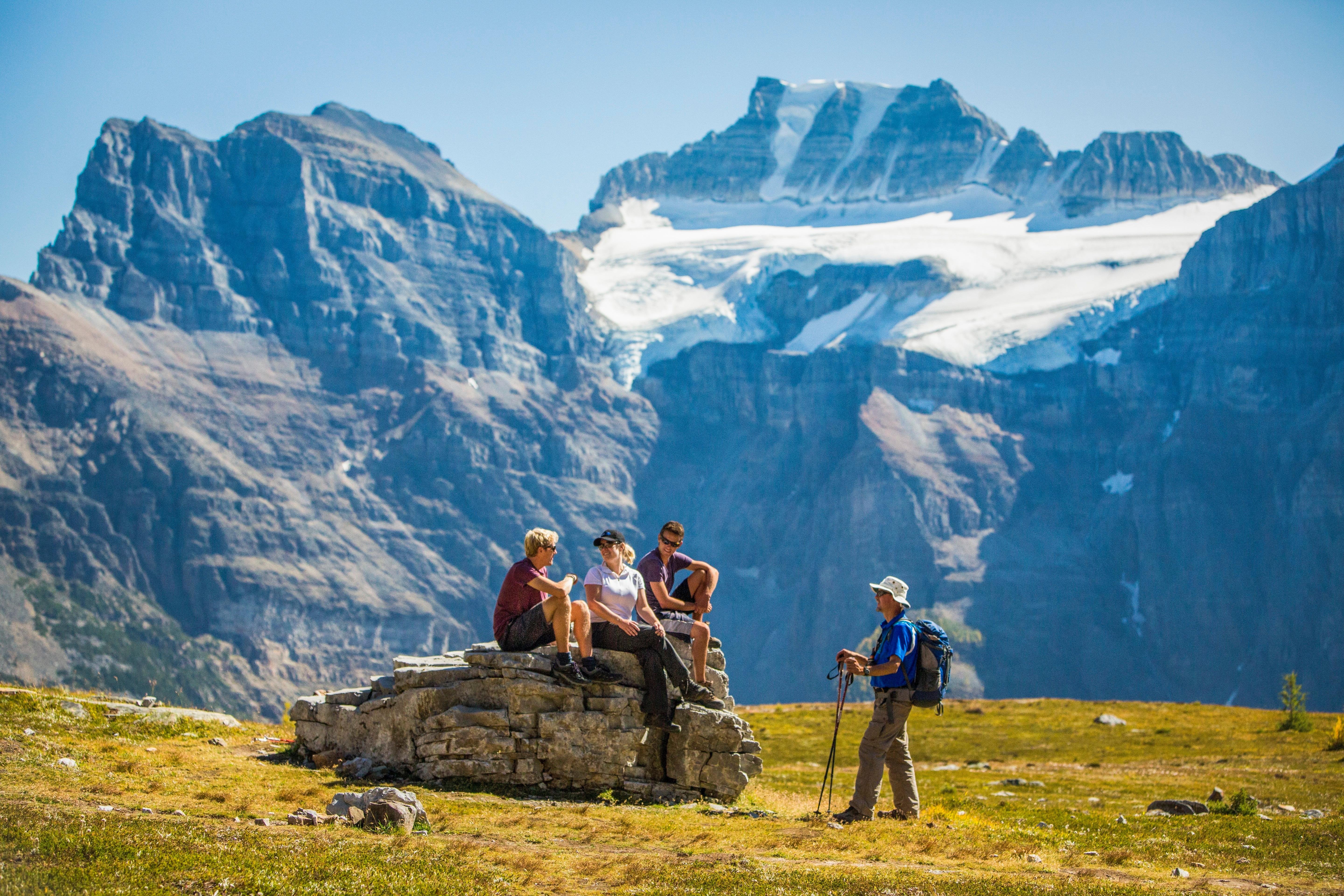
Full-day backcountry trek with certified guide, gourmet picnic, and rotating trail routes through glaciers and alpine valleys
2.5 - 4 hours
Free Cancellation
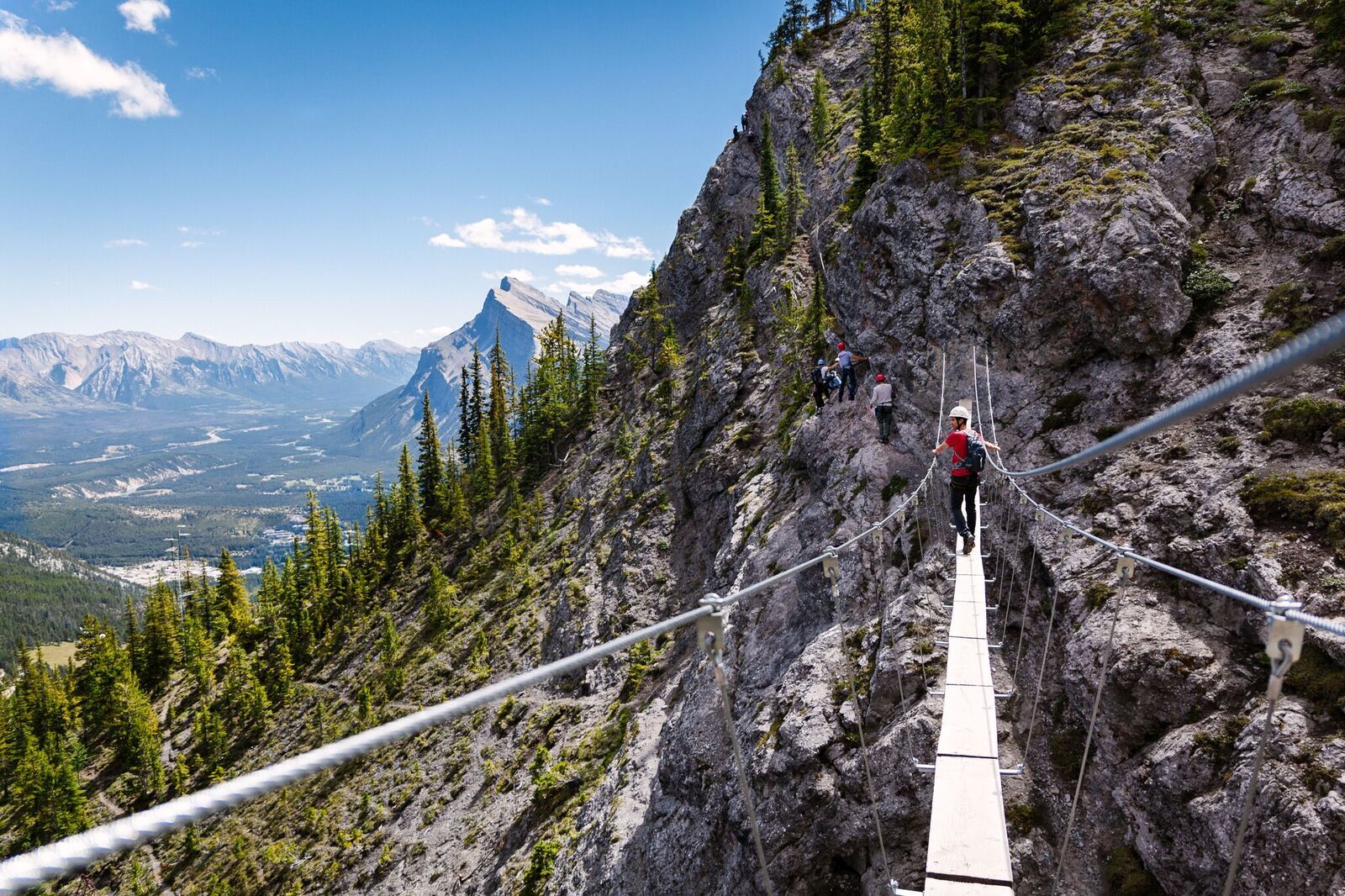
Scale cliff faces and cross suspension bridges on a thrilling alpine climbing adventure above Banff
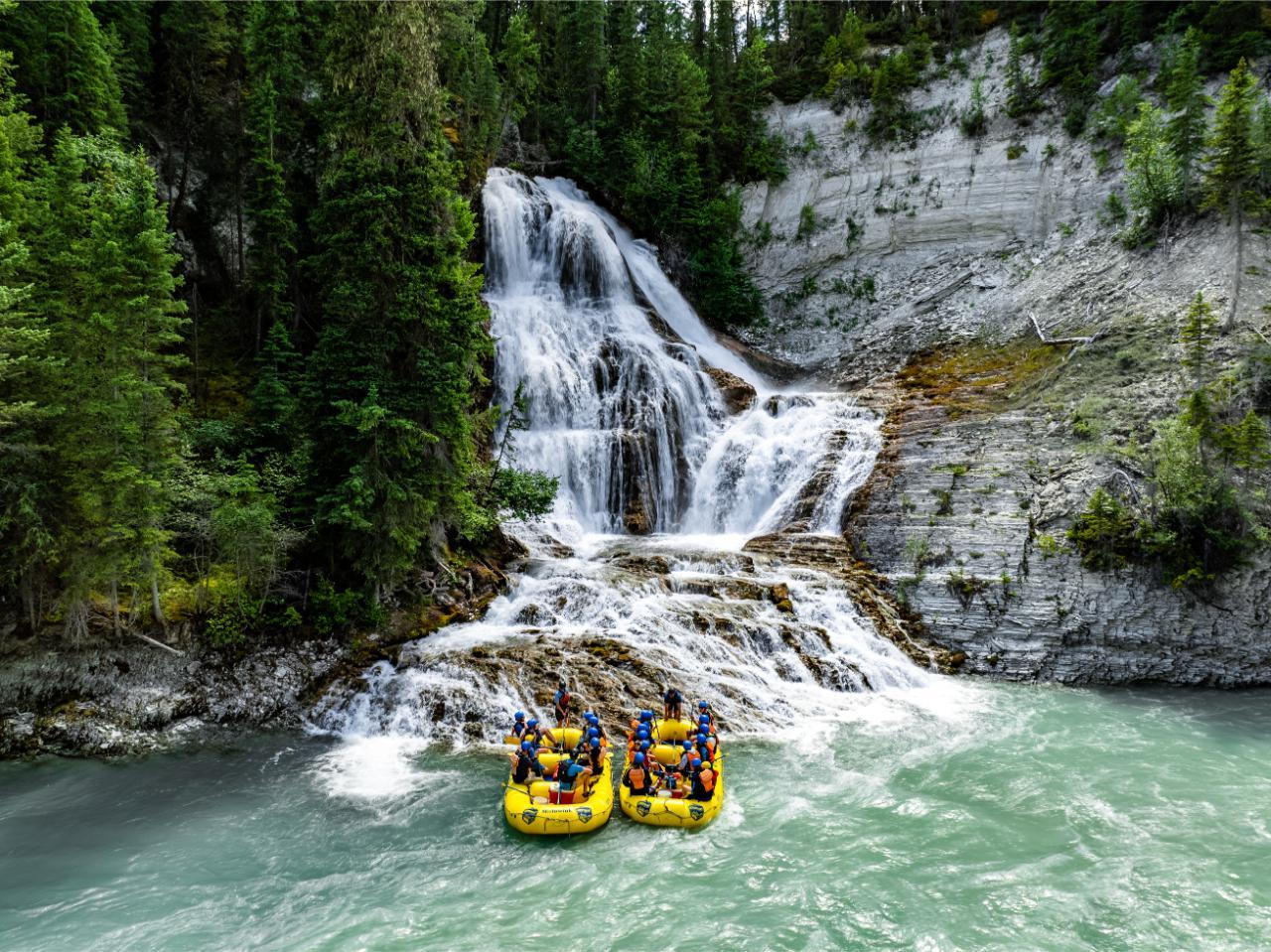
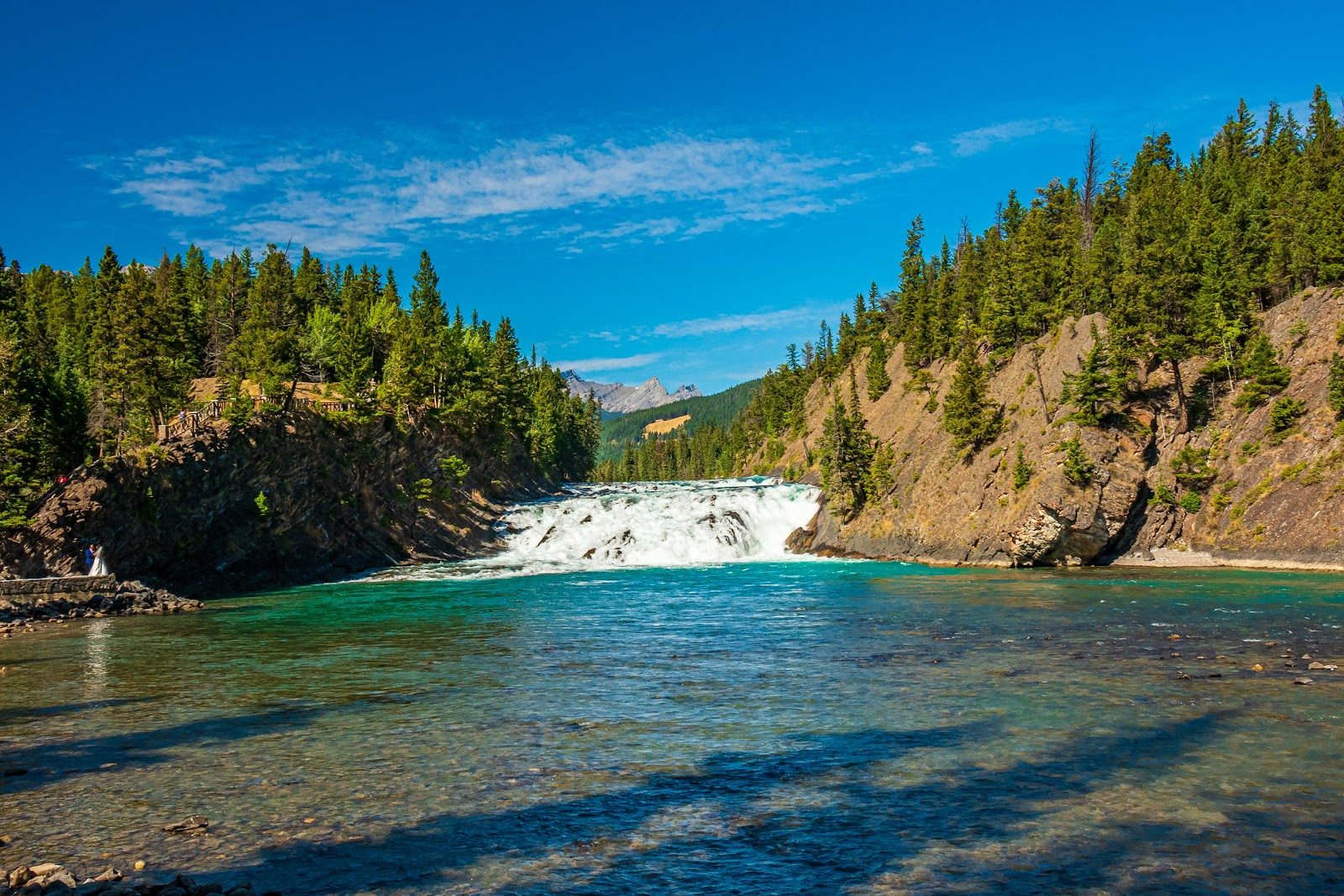
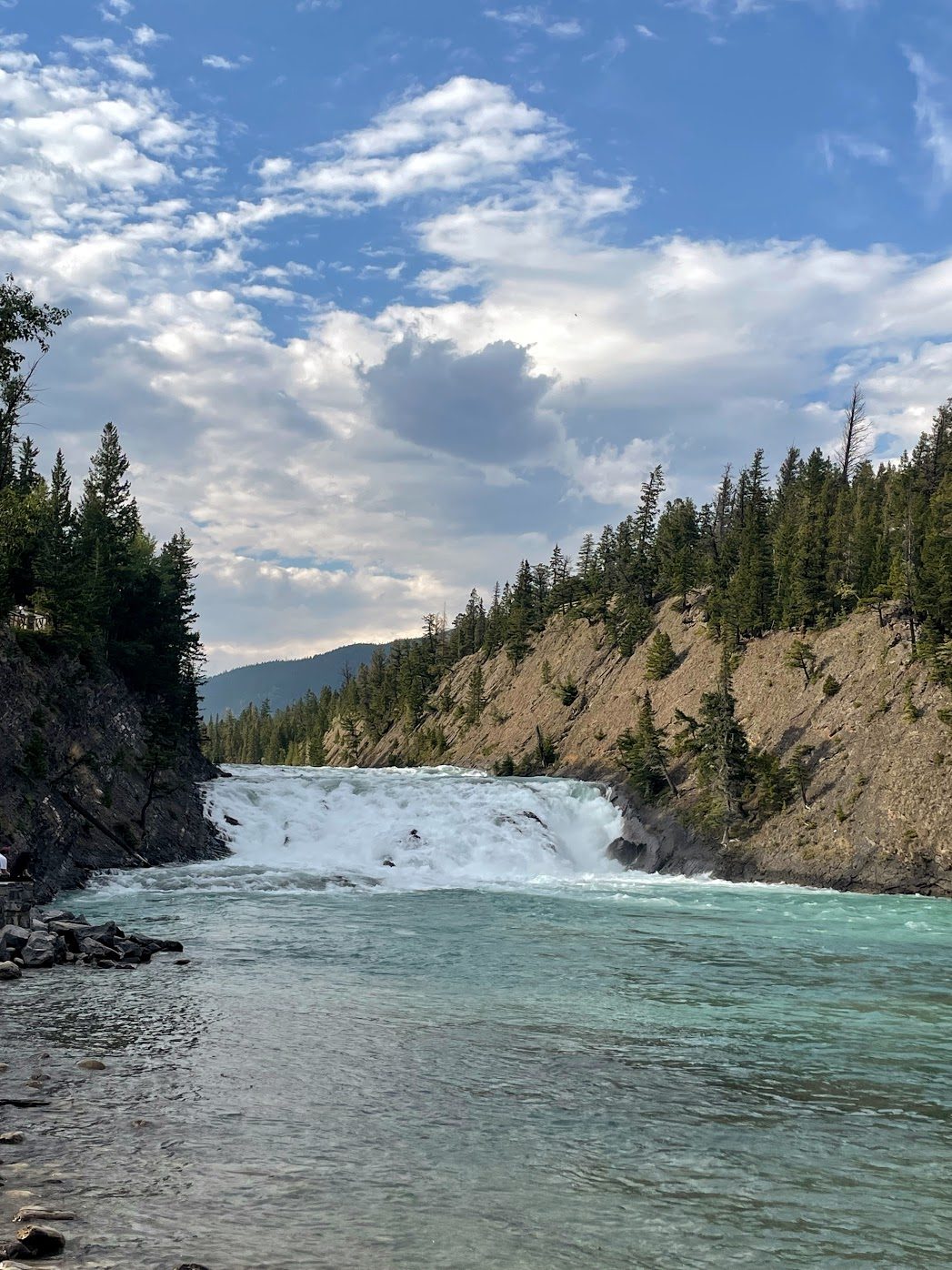
This iconic waterfall marks a scenic starting point for many float trips and is a famous photography spot in the park.
Also known as Tunnel Mountain, this peak offers a distinct silhouette visible from the river throughout the trip.
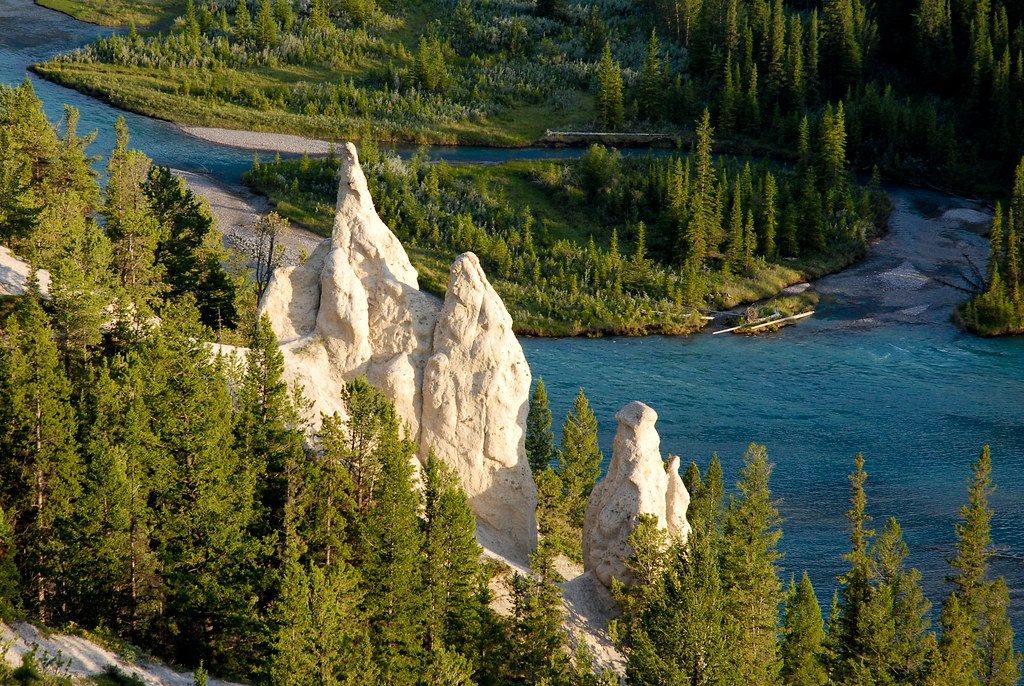
These natural sandstone spires are a geological highlight visible from the water during your journey.
Rafts often land near the towering north face of this mountain, providing an imposing view of the Rockies.
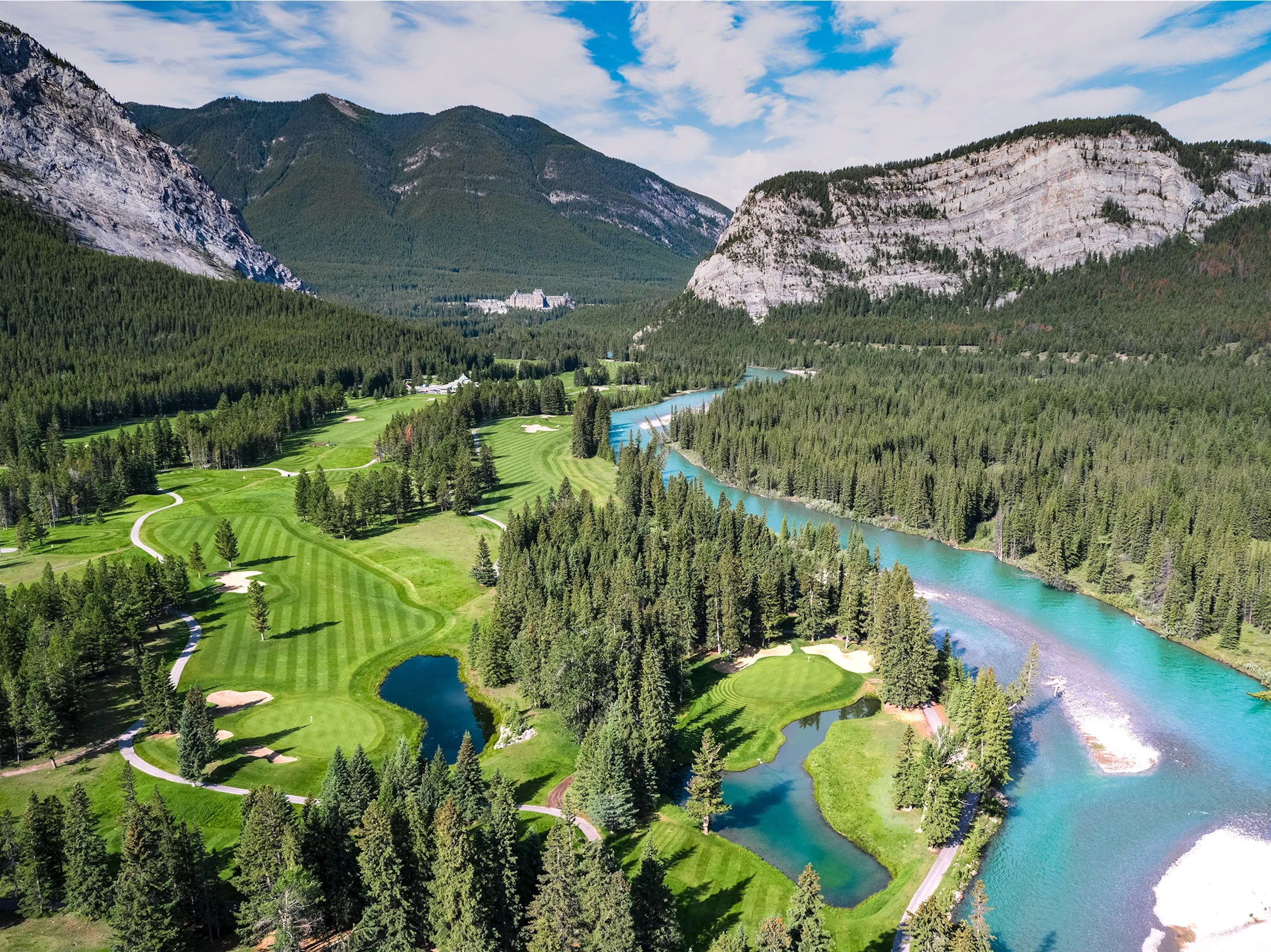
The course lines the riverbank near the launch site, creating a green contrast against the rugged mountains.
You meet your guide at the equipment shed, where neoprene booties and splash jackets hang on numbered pegs. The safety briefing is short: paddle forward, paddle back, high-side if the raft tilts.
You walk the gravel path to the put-in, raft balanced on the guide's shoulder, and step into water cold enough to make you gasp.
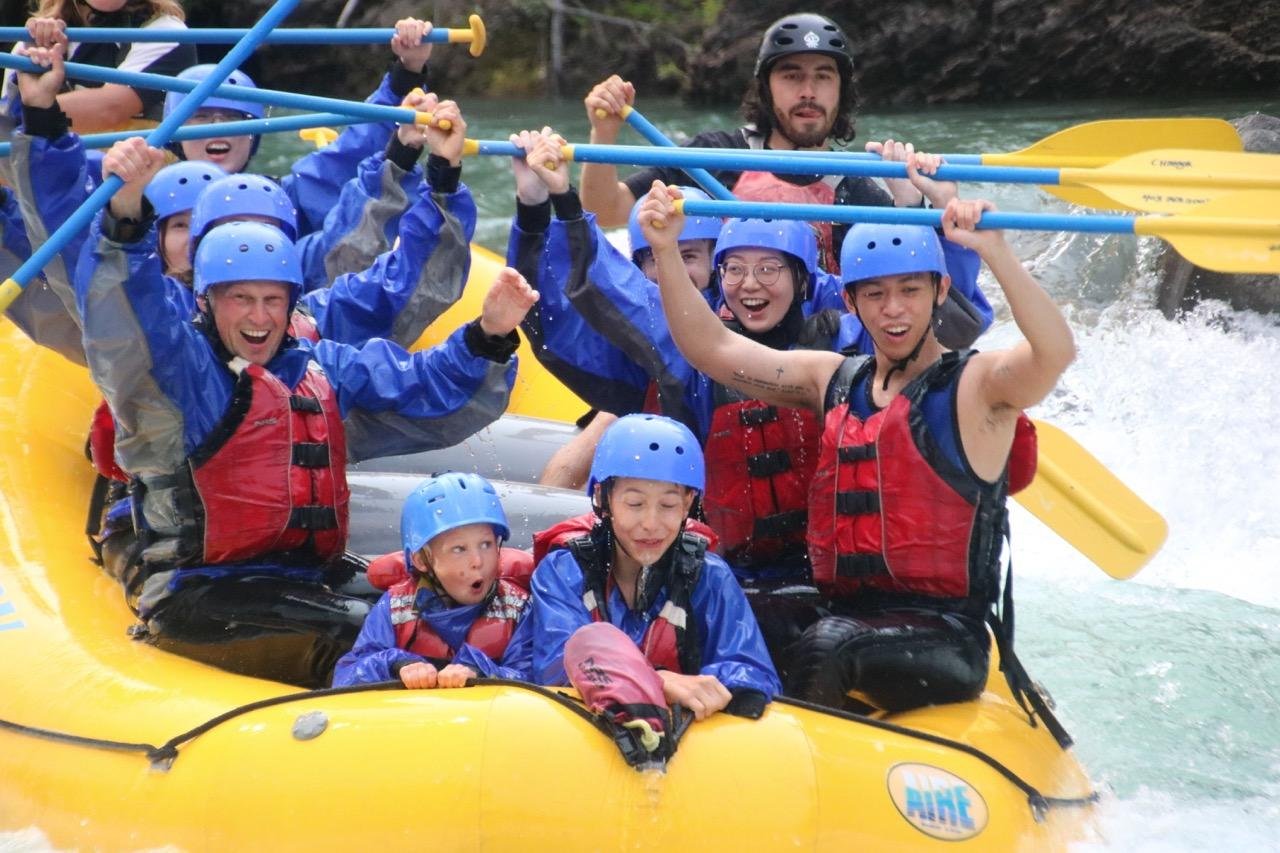
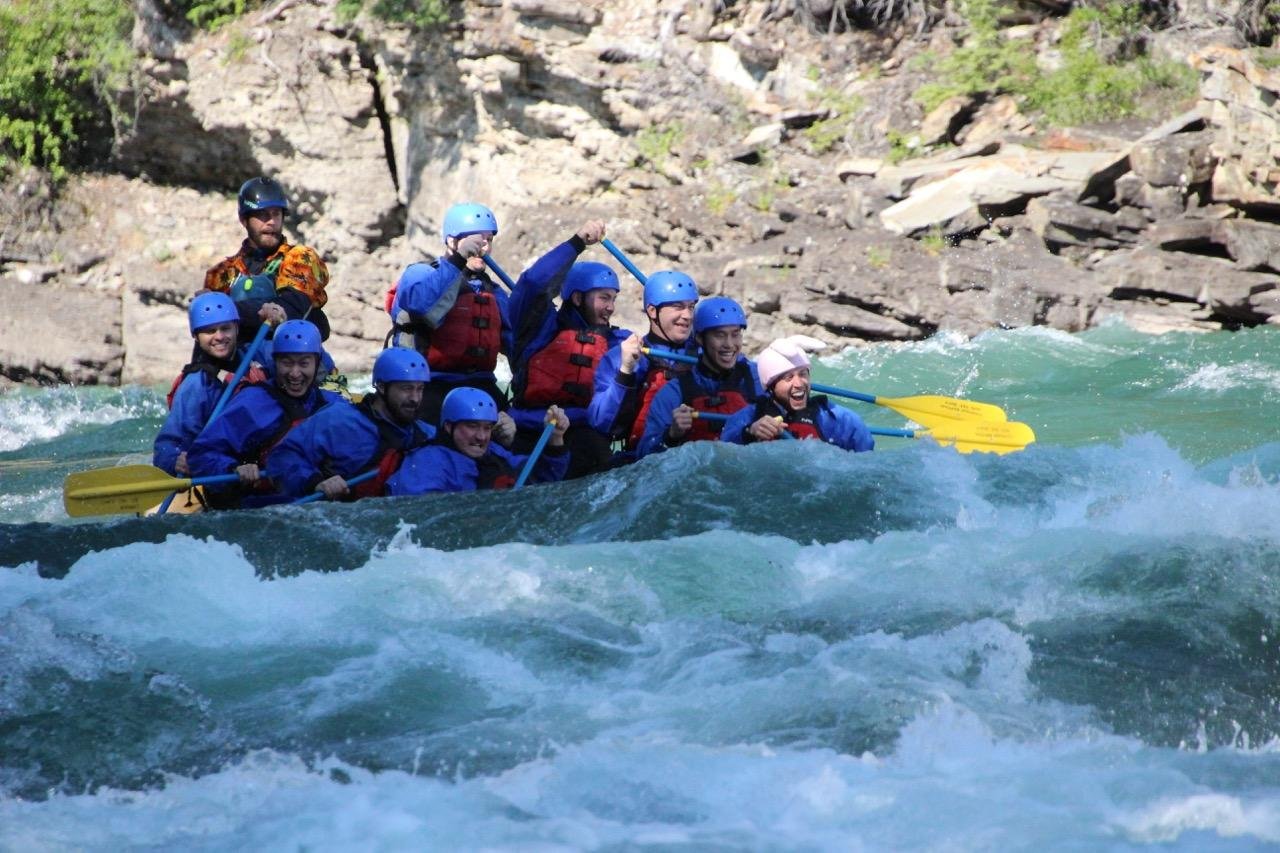
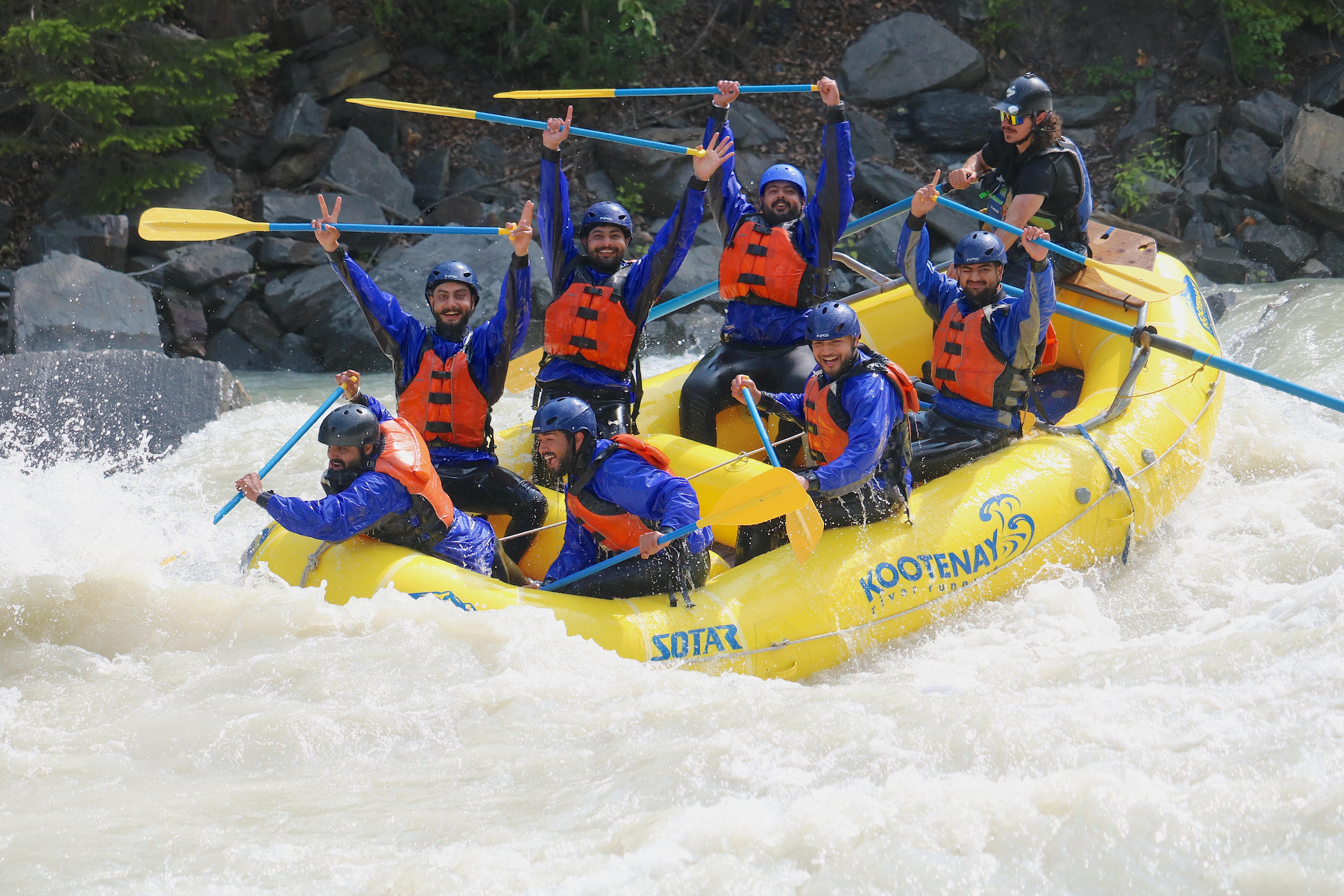
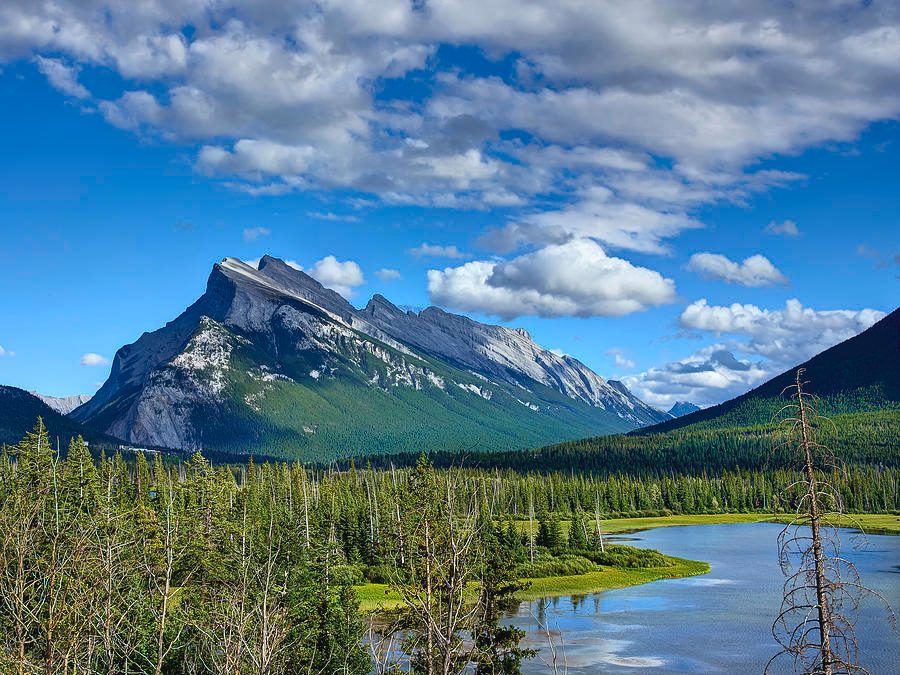
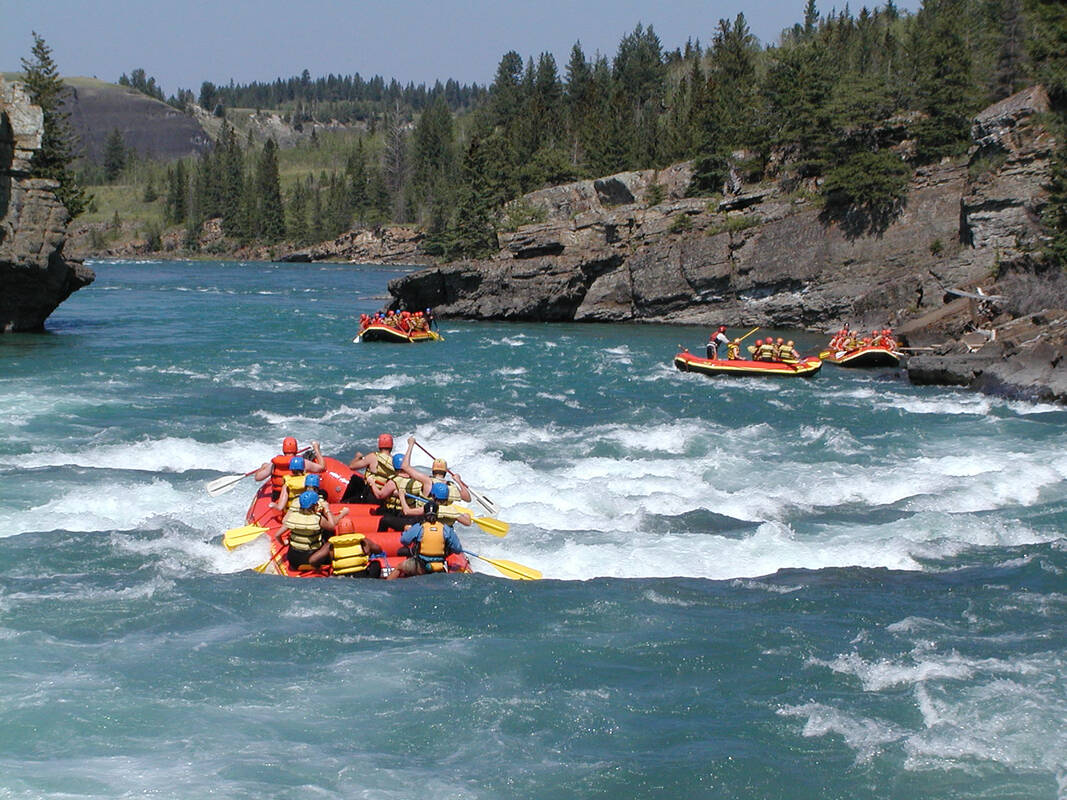
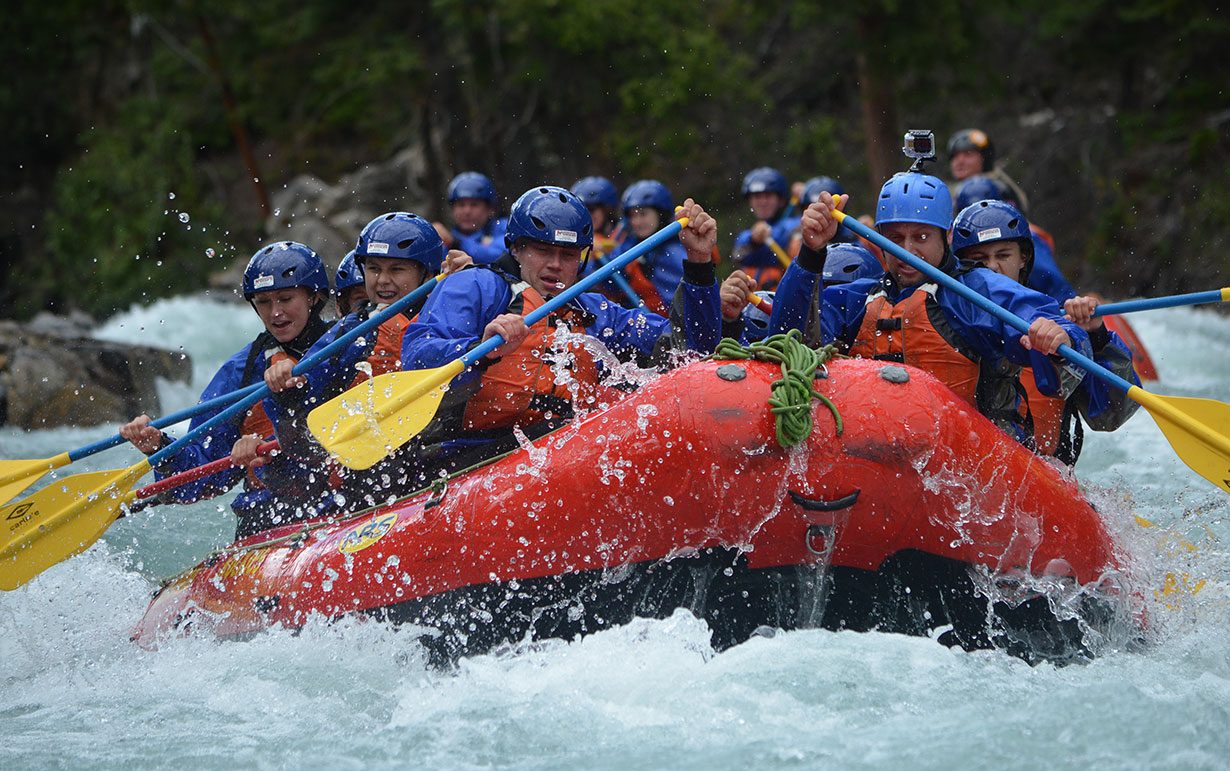
The first rapid arrives three minutes downstream. You dig the paddle blade into the current, feel the raft pivot, and the bow punches through a standing wave that soaks your lap. The guide calls cadence. You synchronize strokes with strangers. The river bends left, then right, and Mount Rundle fills the frame — grey limestone stacked in tilted slabs, tree line at 2,100 metres, summit lost in cloud.
You float through a calm pool where the guide cuts the oars and lets the current carry you. An osprey lifts from a snag, fish in its talons. The water is so clear you can count river stones two metres below the hull. Then the gradient steepens again and you're back on the paddle, leaning forward, bracing your feet against the thwart as the raft drops into a trough and climbs the face of the next wave. Your hands are numb. Your shirt is drenched. You are grinning.
All the details about your upcoming adventure in one place
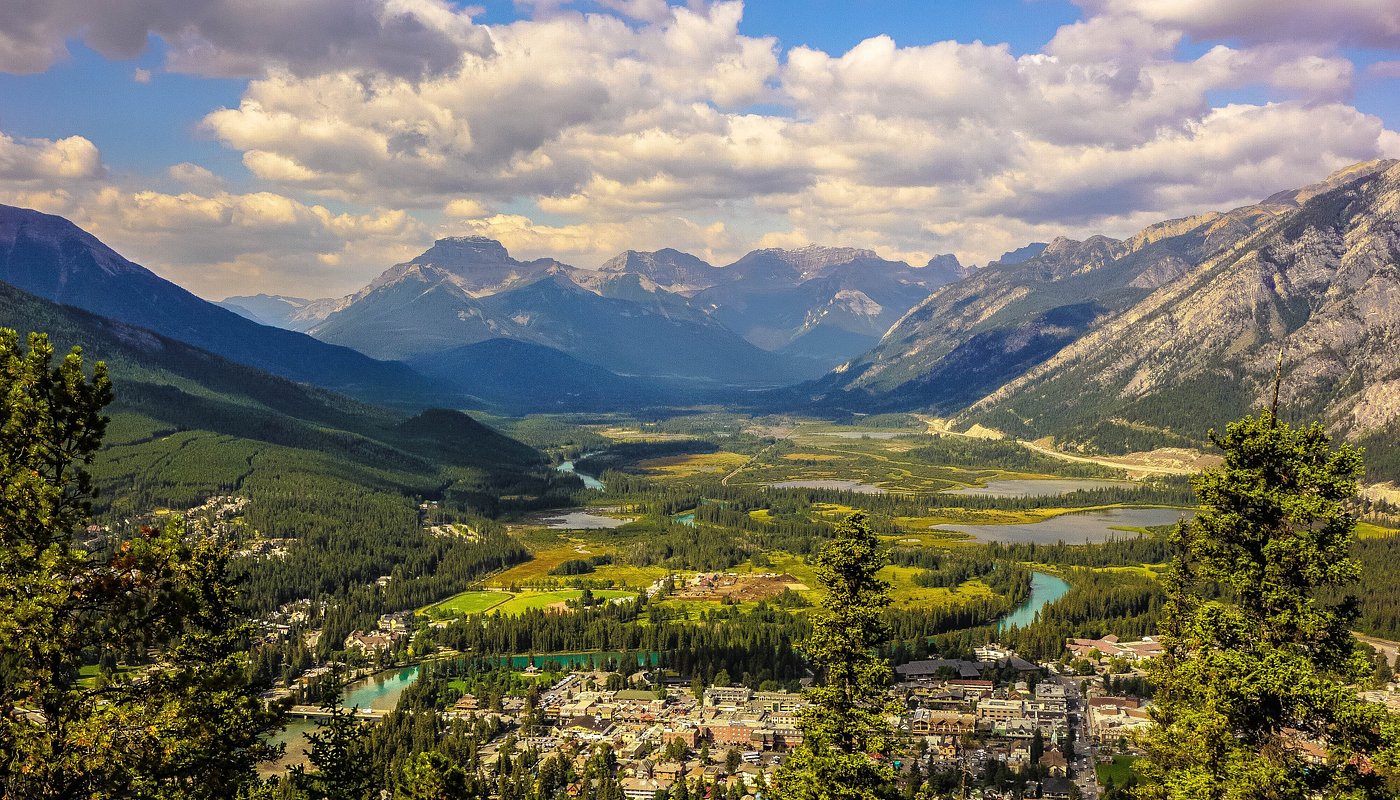
The Bow River drops 158 metres through Banff National Park, its glacial melt carving a navigable corridor between the Sundance and Fairholme ranges for eleven thousand years. Indigenous Stoney Nakoda communities travelled these channels long before European mapping expeditions charted the watershed in the 1840s.
Commercial rafting arrived in the 1970s, when outfitters recognized the stretch between Bow Falls and the Vermilion Lakes confluence as ideal for Class II rapids — technical enough to demand coordination, forgiving enough for first-time paddlers.
Today the river serves dual citizenship: protected wildlife corridor and human playground. Elk wade the shallows at dawn. Ospreys nest in the cottonwoods above the put-in. The water itself runs opaque turquoise, a suspended load of glacial flour ground from the bedrock of the Columbia Icefield 140 kilometres upstream. Spring runoff peaks in June, pushing flows past 200 cubic metres per second and sharpening the hydraulics at Devil's Elbow and the Plunge. By September the gradient softens, the river slows, and guided trips lean scenic rather than adrenaline.
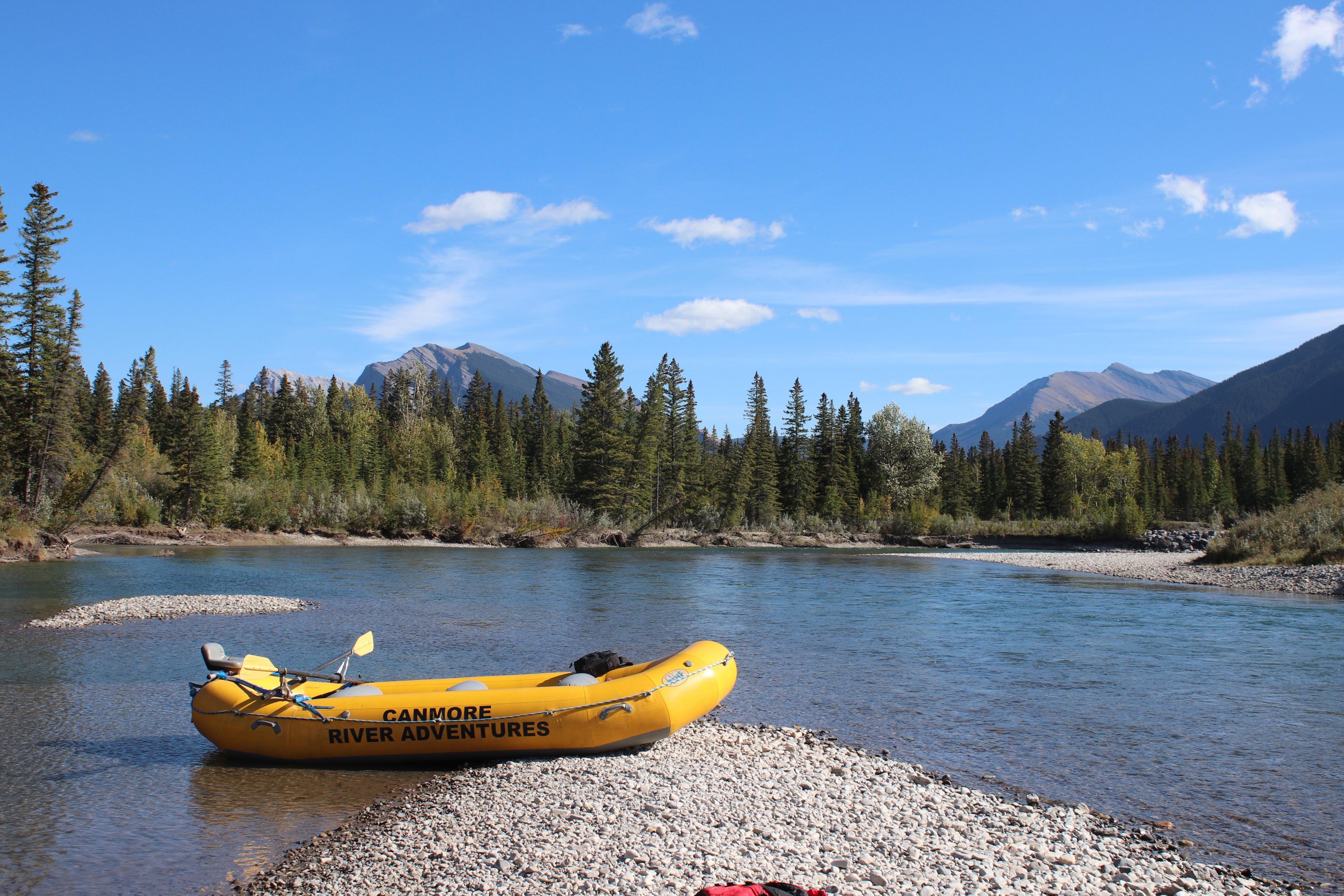
Banff rafting Bow River tours launch from three principal access points. The upper section departs below Bow Falls, a 9-metre cascade that marks the head of navigable water. The middle reach threads beneath the Trans-Canada Highway, past Mount Rundle's eastern face, and through a braided floodplain where beaver channels split the main stem. The lower section exits the park boundary near Canmore, a two-hour float through montane forest. Operators run both motorized rafts for families and oar-guided boats for paddlers seeking the rhythm of self-propulsion. Every trip navigates the same hydrology: cold, fast, relentlessly clear, fed by ice that fell as snow before the passengers were born.
The Bow is not the Kicking Horse. It will not flip your raft or test your swimming. What it offers instead is proximity — to mountains, to wildlife, to water so cold it numbs your fingers in thirty seconds — without requiring rescue certification. That bargain has made banff rafting bow river tours the park's most-booked summer activity since 2018.
The water itself runs opaque turquoise, a suspended load of glacial flour ground from the bedrock of the Columbia Icefield 140 kilometres upstream.
Wear comfortable, weather-appropriate clothing that can handle a potential splash. Sturdy water shoes or secure sandals are recommended for any banff rafting bow river tour.
Most operators provide dry bags for valuables during banff rafting bow river tours. Large bags should be left in your vehicle or at your accommodation.
You are welcome to bring cameras, though protective housing is advised for banff rafting bow river tickets holders. Professional photographers often capture action shots at select landmarks.
The Bow River is excellent for family-friendly float trips in Banff. Operators typically require children to be at least 2 years old for scenic rafting experiences.
While the river itself is natural, many banff rafting bow river operators provide shuttle assistance. Please inquire with specific tour companies regarding wheelchair-accessible transfer options.
Most banff rafting bow river tours do not include meals, though light refreshments may be provided on longer whitewater packages. No open alcohol is permitted on any watercraft.
Opening hours
10:20–17:20
Address
Bow Falls, Banff, AB, Canada
Accessibility
Varies by operator; some shuttles accessible
Best arrival
10:20–16:20
Storage
Dry bags available via local operators
Navigation
Launch near Fairmont Banff Springs Golf Course
Full refunds are typically available if you cancel 24 hours in advance. Please note that all tour bookings are subject to a 5% processing fee and the 0 CAD entrance fee to the river.
Recommended time
3-4 hours
A typical banff rafting bow river excursion requires three to four hours to account for gear fitting, safety briefings, and transit to the river. Visitors should utilize the 10:20–16:20 arrival window to experience these Banff rafting bow river tours with fewer crowds. Securing banff rafting bow river tickets during mid-day hours helps avoid the peak congestion often seen near Bow Falls. Expect to spend additional time for the shuttle back to the meeting point after the paddle concludes.
Crowd levels through the day
The Bow River carved its course through the Canadian Rockies long before Banff became a national park in 1885, but commercial rafting arrived decades later. Indigenous Stoney Nakoda people navigated these waters for centuries, though their craft were birchbark canoes built for transport rather than recreation. The first documented recreational descent came in 1957 when a Calgary outdoor club ran the stretch below Bow Falls using surplus military rafts. The river remained largely quiet until the 1970s, when American river guides trained in the Grand Canyon brought whitewater techniques north and launched the first permitted banff rafting bow river tours from the townsite. By 1982 three operators held Parks Canada permits, each restricted to wooden launches near Bow Falls to minimize environmental impact. The 1988 Calgary Winter Olympics drew international attention to the Rockies, and rafting bookings doubled within two years. A near-fatality in 1991—when a raft wrapped on a submerged log during spring runoff—forced stricter guide certification and mandatory safety briefings. Parks Canada capped daily departures at 120 rafts in 1995, a limit that remains in effect today. Modern banff rafting bow river tickets include neoprene gear and certified guides, a stark departure from the canvas life jackets of the early decades. The Horseshoe rapid, a Class II wave train two kilometers downstream, became the route's signature feature after a 2003 flood reshaped the riverbed. Operators now emphasize wildlife sightings—elk, ospreys, and occasional black bears along the banks—as much as the whitewater itself. The stretch between Bow Falls and the confluence with the Spray River remains the most commercially traveled section, balancing accessible rapids with the alpine scenery that first drew visitors a century ago. Seasonal flow from glacial melt dictates the character of each descent, with late spring offering the highest water and the fastest runs.
Stoney Nakoda people navigate the Bow River in birchbark canoes for trade and seasonal migration.
Calgary outdoor club conducts the first recorded recreational raft descent below Bow Falls using military surplus rafts.
American-trained guides establish the first permitted commercial rafting operations from Banff townsite.
Calgary Winter Olympics spark international interest; rafting tour bookings double by 1990.
Wrapped-raft incident during spring runoff leads Parks Canada to mandate stricter guide certification and safety protocols.
Parks Canada imposes a daily cap of 120 raft departures to protect riverbank ecology.
Major flood event reshapes the Horseshoe rapid, creating the Class II wave train that defines modern tours.
Position yourself on the riverbank to capture the power of the cascading water against the backdrop of Mount Rundle. This location is ideal for those documenting banff rafting bow river excursions as they navigate the lower channel.
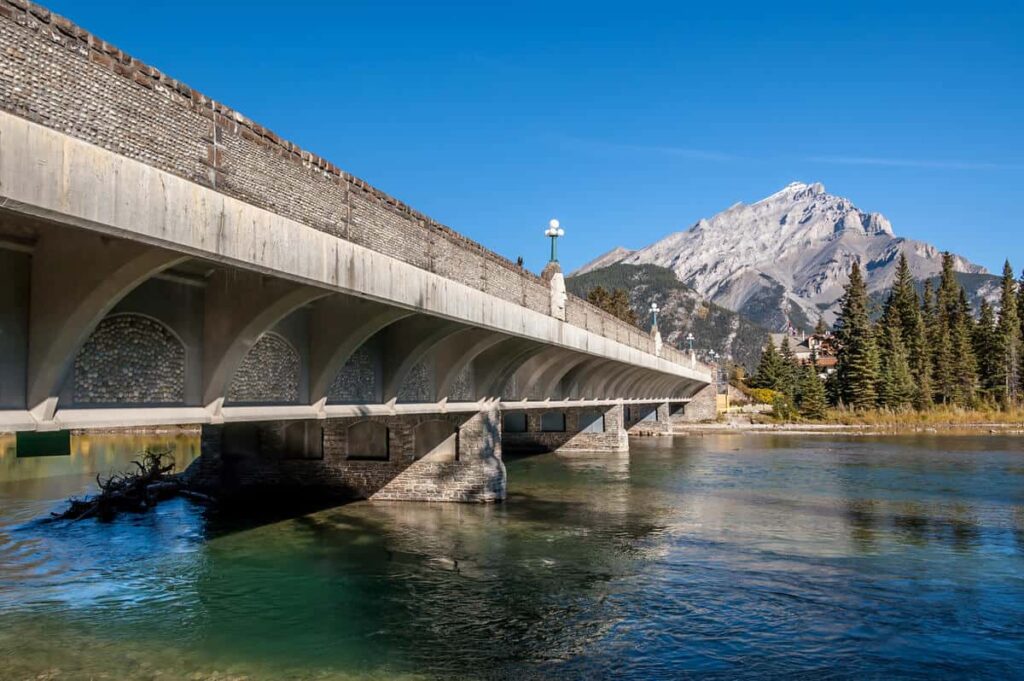
This accessible park offers a steady vantage point to photograph participants on banff rafting bow river tours as they float through the serene sections of the water. Stand near the bridge for the best composition of the river curves.
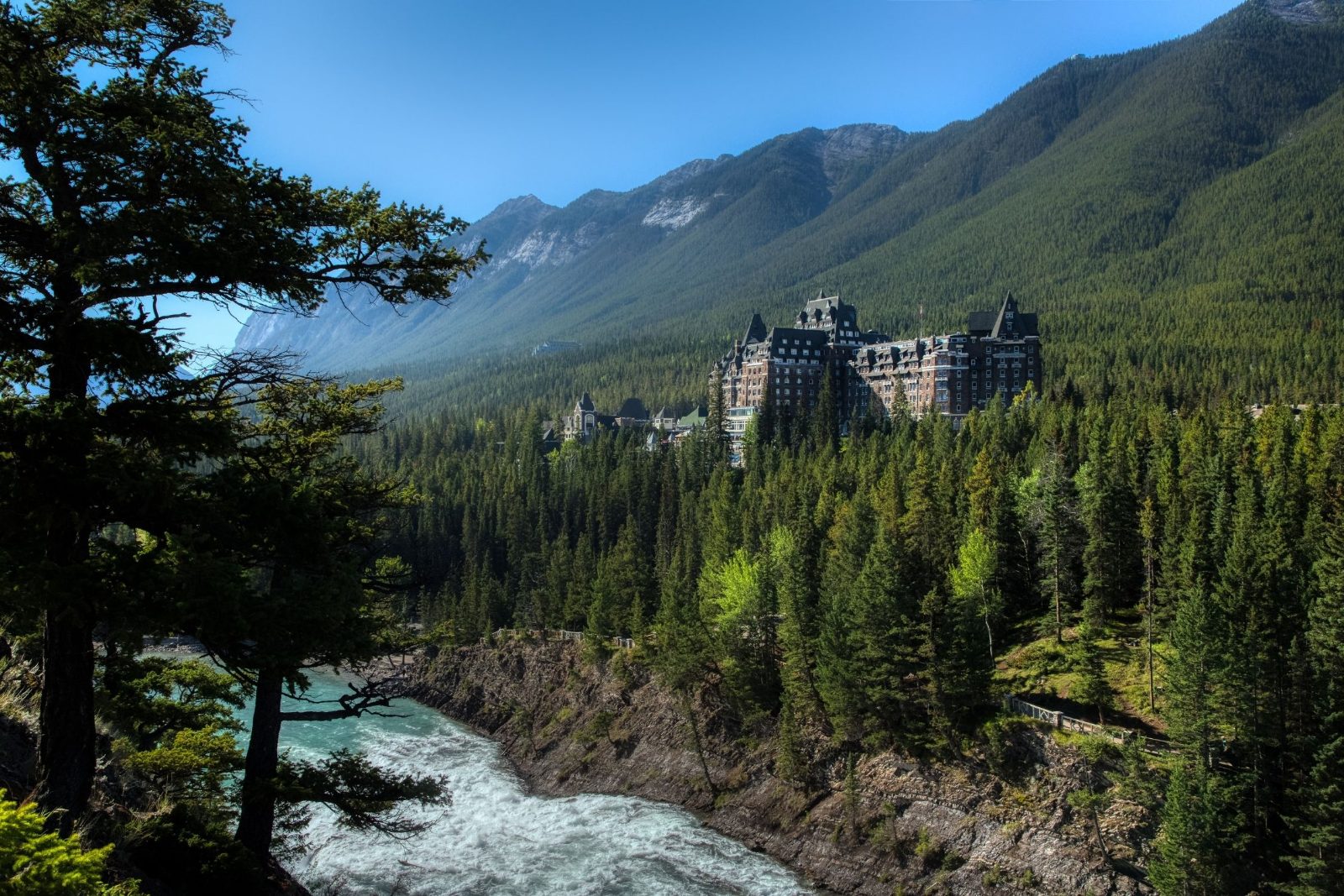
Elevated above the valley, this spot provides a panoramic view of the Fairmont Banff Springs Hotel and the river winding through the pines. It is a preferred site for capturing the scale of the landscape during your banff rafting bow river tour.
From this height, you can frame the emerald glacial water and the jagged peaks, perfect for wide-angle shots of the valley. Use this vantage point before securing your banff rafting bow river tickets to scout the path ahead.
Planning a banff rafting bow river trip with children requires attention to age-specific safety requirements and river conditions. Most operators offer gentle scenic floats suitable for younger participants, while whitewater sections are reserved for older children and teens.
Most scenic float tours accommodate children as young as 4 or 5 years, whereas whitewater rafting trips typically mandate a minimum age of 12. Always confirm current requirements for specific banff rafting bow river tours before finalizing your booking.
The river access points and rocky banks are not suitable for strollers, so plan to bring a carrier for infants or toddlers. Keep gear minimal as storage on rafts is limited.
There are no public changing rooms or baby-care facilities directly at the launch sites, so arrive in your required gear. Check your banff rafting bow river tickets for specific meeting point amenities provided by your chosen operator.
Morning sessions are ideal for families, as the best arrival window is 10:20–16:20 to avoid peak afternoon crowds. Ensure children have a hearty meal beforehand, as river time can be cooler than expected in September.
All reputable companies provide life jackets and helmets, but you must ensure they fit securely before departing. Proper footwear with a heel strap is mandatory for all banff rafting bow river tour participants.
Visitors planning a banff rafting bow river excursion will find few on-site dining options at the riverbank, so most guests prefer walking into town for a meal. You will find several casual eateries within a short stroll after finishing your banff rafting bow river tour.
Known for campfire-inspired cooking and house-made spirits, this spot is ideal for post-river relaxation. It can get busy during peak hours, so check availability for your banff rafting bow river tickets holders after your trip.
This local favorite serves thin-crust pizzas and hearty pasta dishes in a rustic setting. It is a popular choice for groups returning from their banff rafting bow river tours to refuel.
Perfect for a quick bite, this bakery offers fresh artisan breads, soups, and coffee. It serves as an excellent stop if you prefer a light meal before or after heading to the Bow Falls area.
Everything you need to know for your journey
Operators typically run tours between 10:20 and 17:20 daily.
There is 0 CAD entrance fee to the river itself, though tour prices vary by operator.
Yes, many scenic float tours are family-friendly and welcome children as young as 2 years old.
Yes, most operators provide dry bags to keep your phone safe during your banff rafting bow river tour.
Off-peak hours provide better availability and fewer crowds for river tours; aim for 10:20–16:20.
No, float trips are gentle, but you will be provided with a life jacket for safety on your banff rafting bow river excursion.
The popular float route through Banff is a gentle sightseeing trip; for whitewater, you must travel to nearby Kananaskis.
Wear comfortable, quick-drying clothing and secure footwear that can withstand minor splashes.
Parking is limited at the Bow Falls area; consider using local Banff shuttles or walking from downtown.
Yes, many packages combine river tours with the Banff Gondola or bicycle rentals.
Join thousands of happy travelers who have discovered this incredible experience
Book Your Experience Now